
IV vesicant drugs can cause tissue damage if they leak out of your vein. But knowing the basics helps you stay safe. This guide covers what vesicants are, how nurses handle them, and what happens if there’s a leak. We’ll use simple terms and practical examples so you can understand the important safety points.
Key Takeaways
- Vesicants are IV drugs that can blister or kill tissue if they leak outside the vein, a complication called extravasation.
- Safer handling uses central lines, frequent site checks, and awareness of pH or osmolarity, because aggressive chemistries raise tissue injury risk.
- If a leak is suspected, stop infusion, aspirate drug, mark skin, apply warm or cold packs, and give antidotes like hyaluronidase or dexrazoxane.
- Patients should speak up immediately about burning, swelling, or tightness at the IV site; quick reporting limits damage and speeds treatment decisions.
- Vesicants include chemotherapy and common drugs like vancomycin or calcium chloride; watch the site after infusion and request next-day follow-up.
Table of Contents
What Is A Vesicant?
A vesicant is any drug or solution that can cause blistering, skin loss, or even deep-tissue death if it escapes the vein. Picture bleach on fabric, that same “burn” can happen to your body when a vesicant leaks. The Infusion Nurses Society defines a vesicant as “an agent capable of causing blistering, tissue sloughing or necrosis when it leaves the vascular pathway.”
Common vesicants include many chemo drugs; doxorubicin, vincristine, paclitaxel, but also everyday meds like vancomycin, potassium chloride, calcium chloride, and dopamine. When given correctly, these drugs heal or help you fight disease. Trouble starts only when they seep into nearby tissue, a mishap called extravasation.
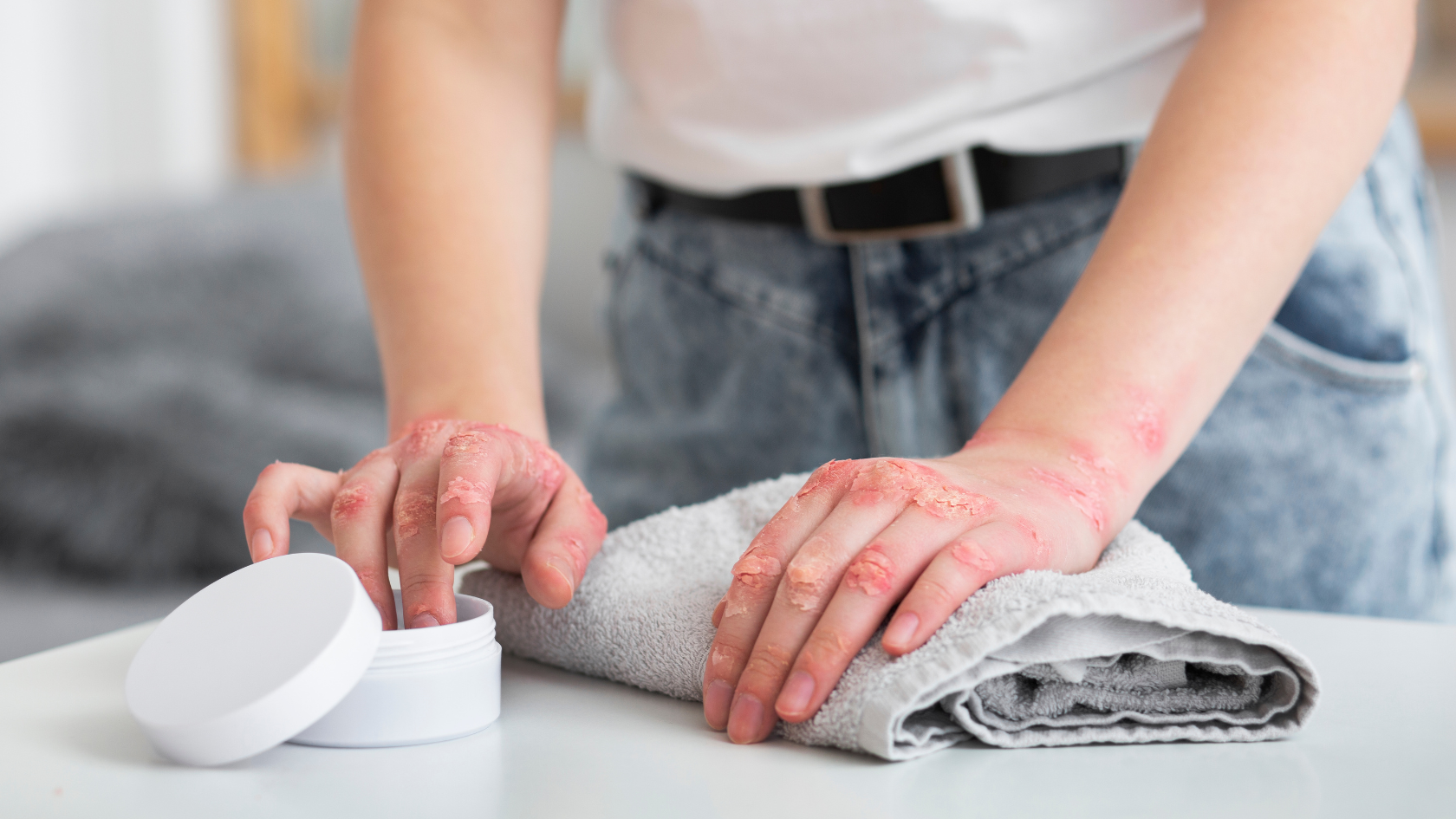
Extravasation hurts. You may feel burning, tight skin, or notice swelling and redness. Tissue injury can grow for days if no one acts fast. That’s why vesicants deserve special respect: even a tiny leak can leave a lasting scar.
Why Vesicants Need Special Handling
- Central over peripheral lines. Nurses often choose a central venous catheter, placed in a large chest vein because high blood flow dilutes the drug quickly, lowering injury risk. Peripheral IVs in the hand or wrist see slower flow, so any leak causes more harm.
- Site checks every few minutes. Trained staff watch the IV site for color change, swelling, or patient complaints. Pumps don’t “feel” infiltration, you do.
- Know the pH and osmolarity. Drugs with a pH below 5 or above 9, or an osmolarity above 600 mOsm/L, act like chemical bullies on tissue.
- Stop, aspirate, and treat. If a leak is suspected, nurses stop the infusion, pull back any drug they can, mark the skin, and call the care team. Depending on the drug, they may apply warm or cold packs and inject an antidote such as hyaluronidase or dexrazoxane.
Your role? Speak up. If you feel burning, stinging, or see swelling at the catheter site, tell your nurse right away. Quick action makes all the difference.
Staying Safe With Vesicant Therapy
Even with risks, thousands of patients safely receive vesicants every day. Here’s how you and your care team stack the odds in your favor.
Ask about the plan. Before treatment, ask: “Is this drug a vesicant? Where will you place the IV? What steps do you take to avoid leaks?” Clear answers show a team that knows its stuff.
Watch the site together. During infusion, keep the area uncovered so both you and the nurse can see it. Move slowly, sudden arm bends can pull the catheter loose. If you need the restroom, get help so the IV line stays secure.
Know the early signs. Mild pain, a “pin-prick” heat, or sudden swelling are red flags. Vesicant injuries worsen with time, so a five-minute delay can mean deeper damage. Report changes immediately; don’t wait to see if it “gets better.”
Post-infusion vigilance. Some leaks show up later. Check the spot for 24 hours. If redness spreads or blisters appear, call the clinic. Many extravasation protocols include next-day follow-up just in case.
Documentation protects you. Good facilities record drug name, dose, site condition, and any patient reports at each check. If something goes wrong, detailed notes speed specialty care and insurance coverage.
Smart device use. Securement devices keep the catheter from shifting. Pumps programmed with low-pressure alarms can alert staff to early infiltration. When hospitals invest in these tools, injury rates drop.
Education never stops. The 2024 Infusion Therapy Standards of Practice stress yearly training on vesicant handling and updated drug lists. Make sure your caregivers stay current. If you’re a home-infusion patient, ask for printed instructions and emergency numbers before the nurse leaves.
By partnering with your healthcare team, asking questions, paying attention, and acting fast, you reduce the chance of a vesicant mishap to near zero. Knowledge is one infusion you can never get enough of.
Vesicant Safety Starts With Knowledge
Frequently Asked Questions
An irritant causes short-lived pain or redness inside the vein, but a vesicant can blister or kill tissue if it leaks out.
No. Antibiotics like vancomycin and everyday electrolytes such as calcium chloride can also be vesicants.
Ask your nurse or pharmacist. They check official vesicant lists updated by the Infusion Nurses Society.
Ideally, yes. Central lines dilute the drug quickly, but some low-dose or short infusions may use a carefully monitored peripheral IV.
Tell your nurse right away. Early reporting lets the team stop the infusion and limit injury.
Prompt treatment with antidotes and wound care often prevents long-term harm, but deep injuries may need surgery.
Most leaks show up within minutes, but swelling or blisters can develop hours later. Check the site for a full day.
Yes. Kids have small, fragile veins, so staff take extra care with catheter choice and monitoring.
It depends on the drug. Some vesicants need warmth to spread the drug for faster absorption; others need cold to shrink blood vessels. Your nurse will know which one to use.
Visit the Infusion Nurses Society website or ask your care team for the latest patient handouts on vesicant safety.