
You probably expect an IV drip to help you feel better, not worse. Yet an infusion reaction can pop up during or soon after the bag starts. It’s your body’s alarm system going off because it spots the medicine as a stranger. Mild reactions might look like reddened skin or itchy eyes, while severe ones can bring chest tightness, wheezing, or a sudden drop in blood pressure. These responses, though unsettling, are your body’s way of trying to protect you.
The idea sounds scary, but knowing the signs keeps YOU in control. This quick read explains what an infusion reaction is, who is at risk, and the simple steps healthcare teams use such as slowing the drip or giving antihistamines, to keep treatment on track. By the end, you’ll feel ready to speak up, ask smart questions, and stay safe throughout every IV therapy session.
Remember: with prompt action, most reactions clear up within minutes and rarely stop treatment altogether.
Key Takeaways
- An infusion reaction occurs when the body reacts to an IV medication or biologic during or after infusion with signs of immune or non-immune response.
- Symptoms range from mild—such as flushing, itching, rash, fever, chills—to severe events like wheezing, low blood pressure or organ-system collapse.
- Many reactions happen during the first or second treatment, usually within minutes to hours; some may be delayed days after the infusion.
- Prevention includes pre-medications (antihistamines, steroids), slower infusion rates, and careful monitoring during high-risk treatments like monoclonal antibodies or iron infusions.
- If a reaction occurs: stop the infusion, treat symptoms, consider resuming at a slower rate or switch therapy; anaphylaxis demands epinephrine and emergency support.
Table of Contents
What Is An Infusion Reaction?
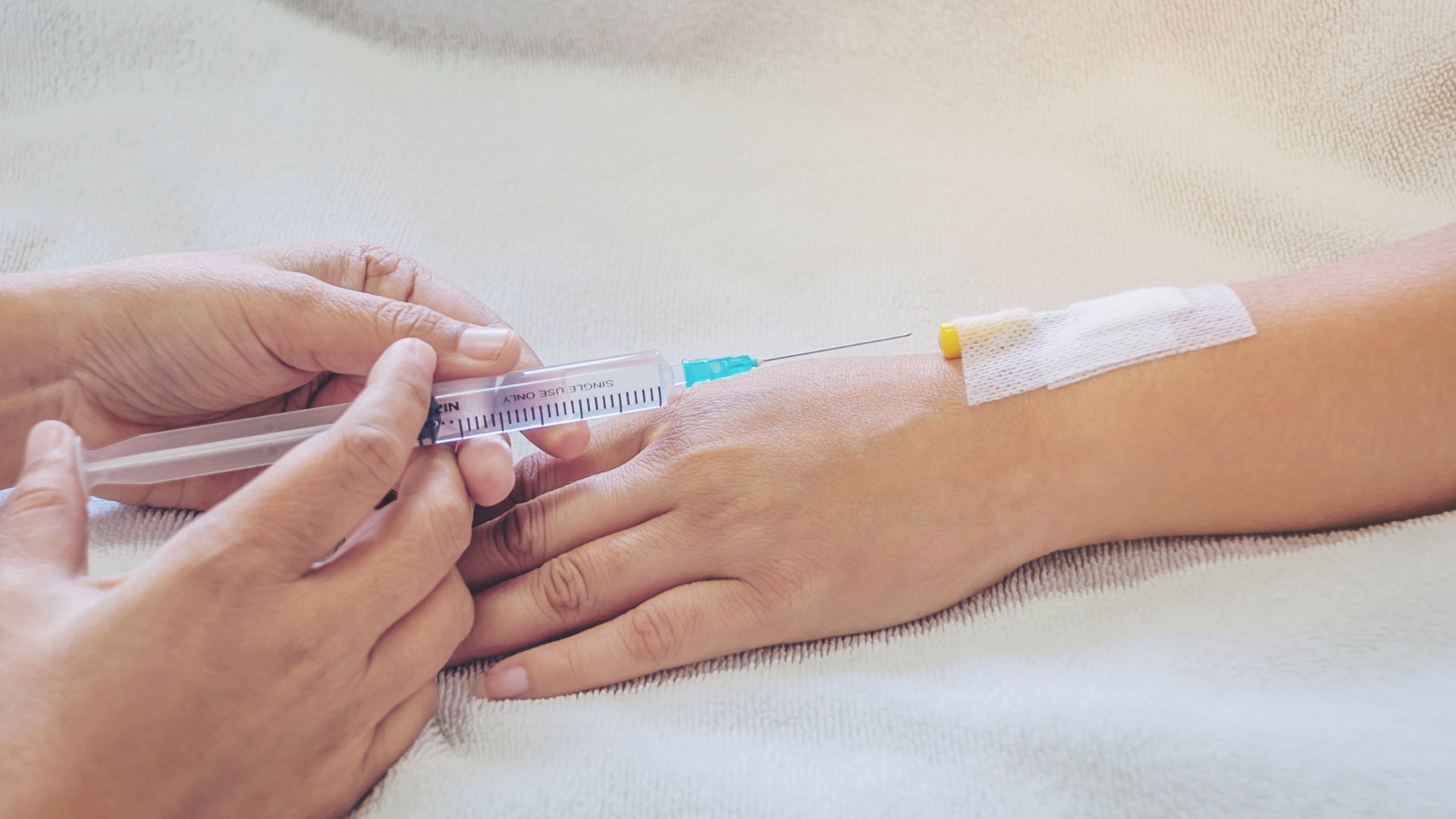
An infusion reaction is an unexpected response that happens during or within several hours after a drug or fluid is delivered directly into your vein. Experts sometimes call it an infusion-related reaction or acute infusion reaction. Because the medicine bypasses your stomach and hits the bloodstream all at once, the immune system can mistake it for a threat and release histamine and other chemicals.
Reactions range from a warm flush or mild itching to more serious symptoms that need rapid treatment. Certain drugs are more likely to set off an infusion reaction. Monoclonal antibodies. the cancer-fighting medicines whose names end in “-mab”, top the list, but platinum chemotherapies like carboplatin and oxaliplatin, taxane drugs such as paclitaxel, and even some antibiotics can do the same.
The very first dose carries the highest risk, yet a reaction can occur at any infusion, especially if the dose is increased. Scientists think two pathways are at play: a classic allergy route that uses IgE antibodies and a cytokine-release route that floods the body with inflammatory signals. You could be more prone to an infusion reaction if you have a history of asthma, seasonal allergies, or past drug reactions.
Women appear to experience these events slightly more often than men, and people getting higher tumor-burden treatments also face added risk. Still, no one can predict perfectly who will react, so nurses watch everyone closely during the first 15 to 30 minutes of therapy. That monitoring window is key because most severe reactions strike early and escalate quickly if missed.
Clinicians often grade infusion reactions on a scale from 1 to 4. Grade 1 covers mild flushing or a single hive; Grade 2 includes widespread hives or mild shortness of breath; Grade 3 signals severe breathing problems or sudden drops in blood pressure; and Grade 4 represents life-threatening anaphylaxis. Knowing the grade guides how fast staff stop the drip, start oxygen, or call emergency support.
Most reactions fall in Grades 1 or 2, but every clinic prepares for the worst so treatment never catches them off guard.
Signs, Prevention, And Management
Warning signs of an infusion reaction usually appear in the first 10 to 30 minutes. They include itching palms, sudden chills, back pain, nausea, a sense of doom, or a lump-in-the-throat feeling. Severe symptoms, wheezing, swelling of the lips or tongue, or a sharp blood-pressure drop, demand immediate action. Because these clues overlap with anxiety or expected drug side effects, staff rely on vital-sign checks and your honest feedback to spot trouble fast.
Prevention starts before the first drip. Most clinics give premedications such as acetaminophen, an antihistamine, and sometimes a steroid to calm the immune system. The nurse may also run the infusion slowly at first, called a test dose, then bump up the rate if everything stays calm. Staying well-hydrated, eating a light snack, and practicing slow breathing can further reduce discomfort during the session.
Clinics keep emergency medications and oxygen at the bedside so there is zero delay if a reaction starts. If a reaction strikes, the first move is simple: stop the infusion. Next, nurses assess airway, breathing, and circulation, record new vital signs, and call the provider. Depending on severity, they may give an antihistamine, epinephrine, or extra IV fluids, then restart the drip at a slower pace once symptoms settle.
Many centers now use nurse-driven algorithms so lifesaving meds can be delivered without waiting for a written order. That autonomy has cut response times and improved patient safety in recent studies. YOU play a big role, too. Tell the team about any past reactions, allergies, or asthma before treatment day. During the infusion, speak up, no matter how small the symptom feels.
Afterward, jot down what happened so future visits can be adjusted. With open communication, most people finish their full course of therapy on schedule, even if they had a reaction early on. Knowledge truly is your best shield.
Restore and Rebalance with an Infusion Reaction
Frequently Asked Questions
True allergic-type reactions to normal saline are extremely rare, but sudden chills or flushing can still occur if the solution is too cold or runs too quickly.
Most reactions begin within minutes to one hour of the drip, yet a delayed reaction can show up up to 24 hours later, so keep watching for rashes or fever.
Some are classic IgE-mediated allergies, but many are cytokine-release events, meaning your immune system is reacting without making long-term allergy antibodies.
Clinicians reach for epinephrine first for airway or blood-pressure emergencies, plus antihistamines, steroids, and rapid IV fluids to stabilize you.
Premeds lower risk but can’t erase it. They blunt histamine release, giving the team extra time to catch and treat any breakthrough symptoms.
Usually no. Your provider may slow the rate, split doses, or switch drugs, but most people can keep therapy going safely.
Side effects like fatigue build gradually after treatment; infusion reactions appear suddenly during or right after the drip and can involve skin, lungs, or blood pressure.
Yes, kids’ immune systems can react too, so pediatric infusion centers follow the same stop-the-drip and monitor rules.
A slower rate reduces the surge of medicine entering your bloodstream at once, which research links to fewer and milder reactions.
Pack a symptom diary, list of allergies, water bottle, light snack, and a support person who can alert staff if you feel unwell.