
Imagine water dripping from a faucet. In IV therapy, that drip is called flow rate, and it tells you how quickly fluid or medicine moves from the bag into your vein. When nurses set the rate just right, you stay safely hydrated or get the exact drug dose you need, no more, no less.
Even small flow-rate mistakes can cause trouble. Go too slow and your treatment drags on; go too fast and your heart, lungs, or kidneys may struggle. That’s why learning about flow rate matters whether you’re a curious patient or a new caregiver aiming to keep every IV session safe and smooth.
Key Takeaways
- Flow rate in IV therapy means how fast fluid infuses; it’s measured as mL/hr on pumps or drops per minute with gravity.
- Calculate it simply: volume ÷ time for mL/hr, or use drop factor for gravity sets to find accurate gtt/min.
- Catheter gauge changes speed dramatically; wider gauges flow faster, while tiny lines protect fragile veins but limit maximum safe delivery rates.
- Getting the rate right safeguards patients—preventing fluid overload, treatment delays, electrolyte swings, infiltration, and phlebitis during IV infusions.
- Pumps add precision and alarms, yet clinicians still verify counts and watch the drip chamber because viscosity, gravity, and kinks affect flow.
Table of Contents
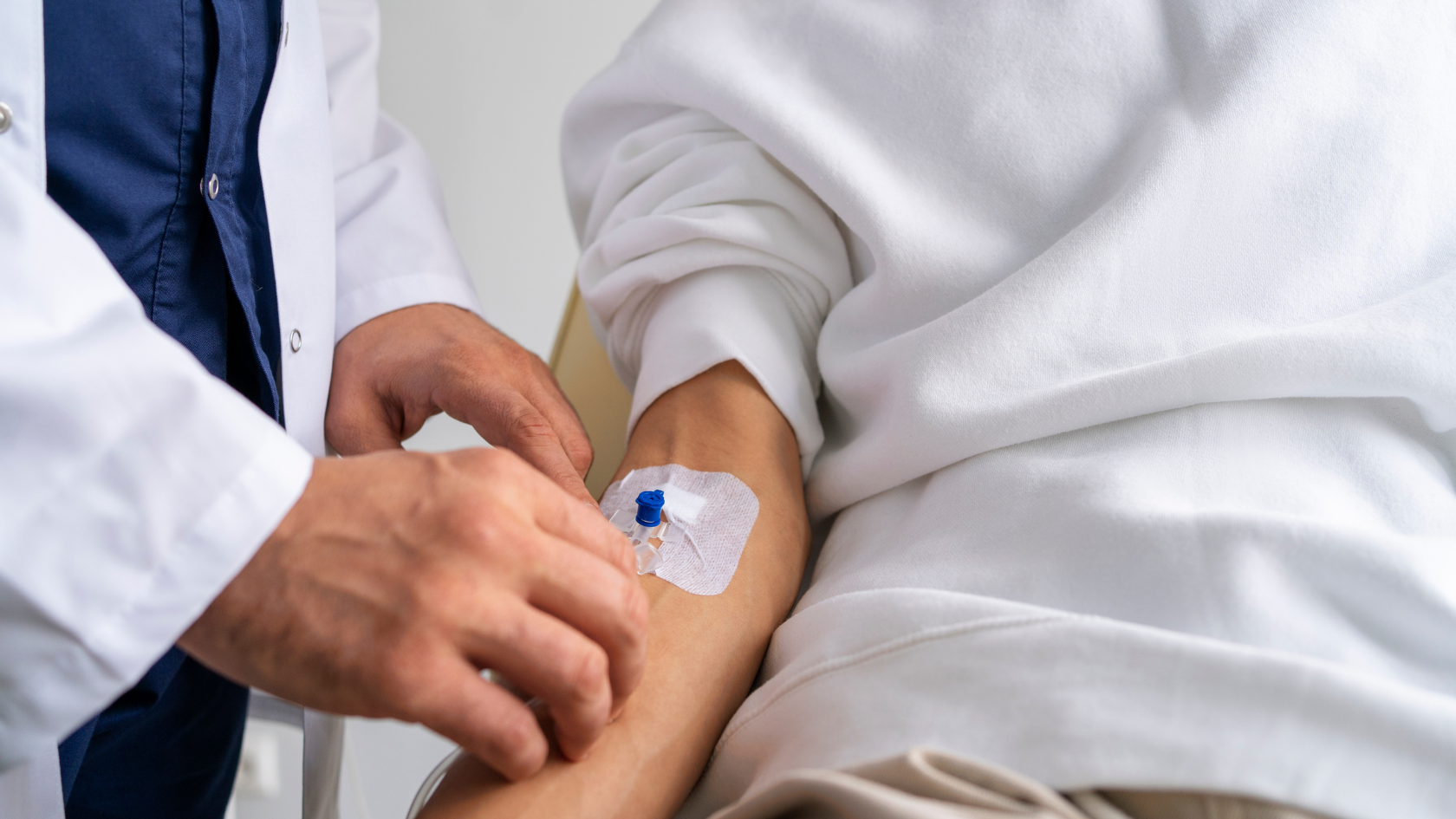
Understanding Flow Rate In IV Therapy
Definition and units. Flow rate is the amount of IV fluid delivered over time. Professionals usually measure it in milliliters per hour (mL/hr) when an infusion pump is used, or in drops per minute (gtt/min) for gravity-drip sets
Core formula. The basic calculation is simple:
Flow rate (mL/hr) = Total volume (mL) ÷ Infusion time (hrs).
When tubing relies on gravity, you also need the drop factor printed on the package. The equation becomes:
Drops/min = (Volume × Drop factor) ÷ Time (min).
Tools that help. Pumps automate mL/hr settings, but nurses still double-check numbers by hand for safety. Online drip-rate calculators and practice charts reinforce accuracy, making sure each patient gets the right dose at the right speed.
Catheter size matters. A wider catheter lets fluid move faster because there’s less internal resistance. For example, a 14-gauge cannula delivers about 240 mL per minute, while a tiny 24-gauge line handles only 20 mL per minute. Choosing the smallest gauge that still meets treatment goals protects fragile veins while keeping flow within target limits.
Other rate influencers. Gravity, fluid viscosity (thicker blood products drip slower than saline), patient position, and even tiny kinks in the tubing can change flow. That’s why nurses watch the drip chamber, listen for pump alarms, and check the IV site often.
Quick example. Suppose a doctor orders 1,000 mL of saline over 4 hours. Divide 1,000 by 4, and the pump should be set to 250 mL/hr. If gravity tubing with a drop factor of 20 gtt/mL is used, multiply 1,000 mL by 20, then divide by 240 minutes (4 hours), giving about 83 gtt/min. Practicing these steps keeps calculations fresh and errors low.
Why Correct Flow Rate Matters For You
Patient safety first. Too-rapid infusions can overload your body with fluid. This overload may push extra water into your lungs (pulmonary edema), raise your blood pressure, or stress a weak heart. Too-slow drips, on the other hand, delay medications or leave you dehydrated.
Electrolyte balance. Sodium, potassium, and other minerals ride along in IV fluids. A wrong rate can tip these electrolytes high or low, causing muscle cramps, irregular heartbeat, or confusion.
Vein protection. Catheters that are too small for a high flow may vibrate or leak, leading to infiltration (fluid seeping under the skin) or phlebitis (vein inflammation). Selecting the right gauge, securing the line, and pacing the drip help veins stay healthy.
Medication accuracy. Some drugs like antibiotics or pain meds, must hit a precise blood level. If the flow slows, you might not reach the therapeutic dose; if it speeds up, side effects climb. Pumps with dose-error reduction software add a safeguard, but human oversight remains key.
Special situations.
- Trauma or surgery: Large-bore (14G-16G) lines allow quick boluses to replace blood loss.
- Pediatrics or elderly care: Smaller veins need gentler flow, often via 22G-24G catheters.
- Home infusions: Portable pumps make self-care easier, yet users must learn to read the screen and troubleshoot alarms.
Tips you can use.
- Look at the bag. Mark the fluid level each hour to catch hidden slowdowns.
- Listen for alarms. Pumps beep if pressure builds—often a sign of an occlusion.
- Ask questions. If the drip seems faster or slower than before, tell your nurse.
- Know the signs. Swelling, shortness of breath, or sudden weight gain after an infusion warrant immediate help.
Keeping flow rate in the sweet spot prevents complications, speeds recovery, and makes every milliliter count.
Flow Rate Made Simple
Frequently Asked Questions
Flow rate is how fast IV fluid moves from the bag into your vein, measured in mL per hour or drops per minute.
Larger gauges are wider, so fluid meets less resistance and flows faster.
They calculate volume ÷ time, adjust for drop factor if needed, and program a pump or count drip drops.
Yes. Too fast can cause fluid overload; too slow can delay treatment.
Feeling short of breath, swelling in hands or feet, or a sudden rise in blood pressure may signal overload.
In hospitals, nurses reassess at least every hour, and sooner if you have risk factors or notice symptoms.
Pumps give precise control and alarms, but gravity is still safe when staff monitor the drops carefully.
Yes. Thick fluids like blood drip slower than thin saline, so pumps may adjust automatically to maintain rate.
The pump alarms or drip stops. Nurses flush the line or start a new one to restore proper flow.
With training and a portable pump, many patients safely self-infuse. Always follow your care team’s instructions and have emergency contacts ready.