
Feeling shaky, sweaty, or lightheaded? Your blood sugar might be low. This is called hypoglycemia, and it’s not just for people with diabetes. It can happen if you skip meals, work out too hard, or take certain weight-loss meds. To fix it, follow the “15-15 Rule.” Eat or drink 15 grams of sugar, like juice or regular soda, then wait 15 minutes. If you still feel off, do it again. If symptoms don’t improve or get worse, get medical help. Knowing these signs early can help you stay safe and on track with your health goals.
Key Takeaways
- Definition: Hypoglycemia means low blood sugar; Level 1 starts below 70 mg/dL, Level 2 below 54, and severe Level 3 requires outside assistance.
- Symptoms: Early signs include shakiness, sweating, fast heartbeat, and sudden hunger; worsening lows cause confusion, blurred vision, slurred speech, fainting, or seizures.
- Why it happens: Causes include too much insulin, skipped meals, heavy workouts, alcohol, or very-low-calorie plans; GLP-1 weight-loss medicines may blunt hunger cues.
- Treat fast: Use the 15-15 Rule—take 15 grams fast carbs, recheck in 15 minutes; carry ready-to-use glucagon for emergencies and teach helpers. & protect: Balance meals, stay hydrated, review medications, use CGM alerts; seek help if symptoms persist after two cycles or anyone passes out.
Table of Contents
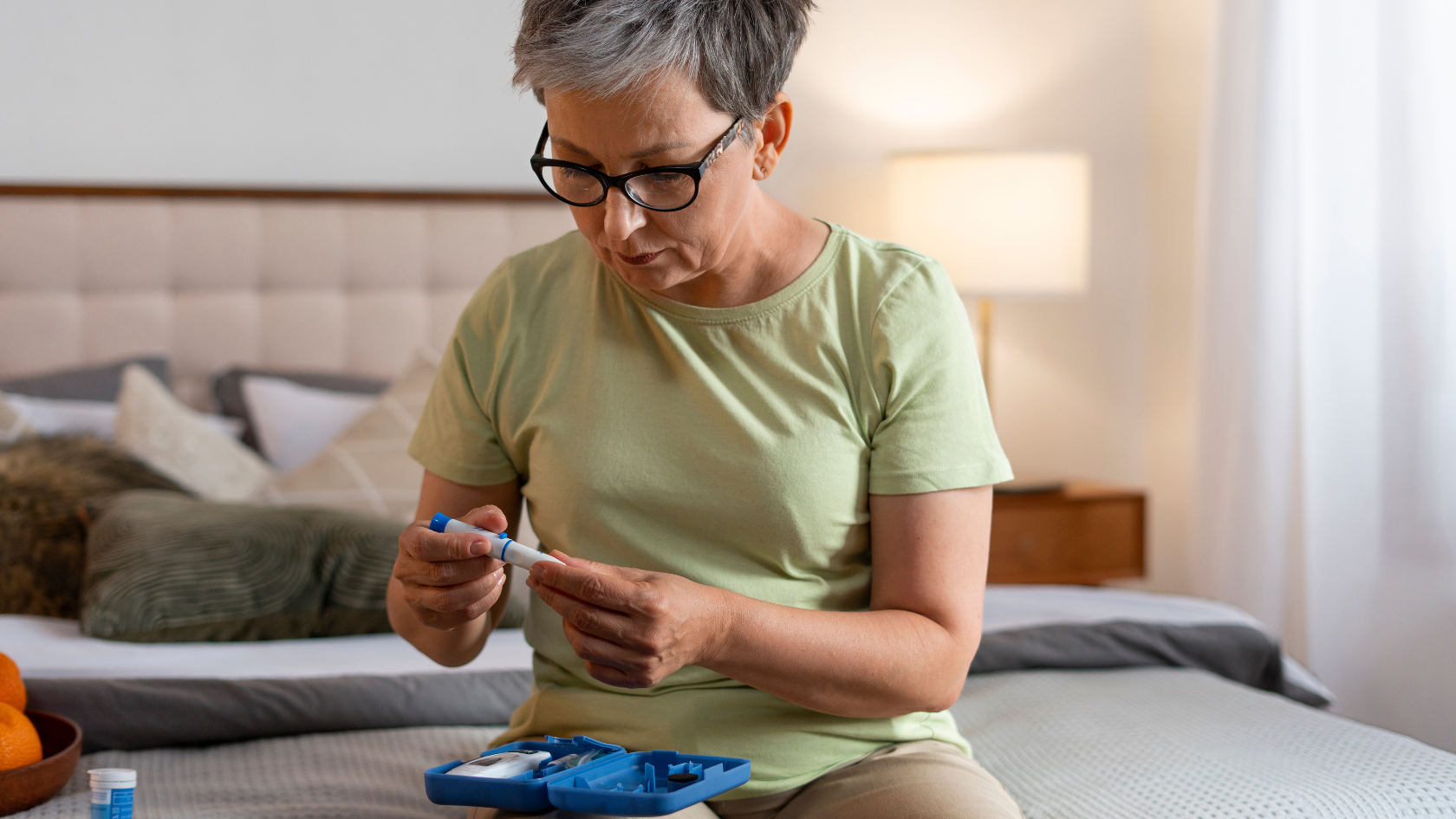
Understanding Hypoglycemia
Hypoglycemia means your blood sugar (glucose) falls below the level your brain and muscles need to work well. Experts group it into three “alert levels.” Level 1 starts when glucose slips under 70 mg/dL (3.9 mmol/L). Level 2 begins below 54 mg/dL, and Level 3 is any episode that causes confusion, seizures, or unconsciousness and needs someone else’s help, even if a meter isn’t handy.
Why does glucose crash? The most common trigger is taking too much insulin or other diabetes meds. But YOU can also go low if you skip a meal, work out hard without an extra snack, drink alcohol on an empty stomach, or follow a very-low-calorie plan. In people without diabetes, rare tumors (insulinomas), severe infections, or hormone issues sometimes cause lows.
Your body usually warns you. Early “adrenergic” signs like shakiness, sweating, fast heartbeat, and sudden hunger, come from a rush of stress hormones trying to raise sugar quick. If glucose keeps dropping, “neuroglycopenic” symptoms kick in: blurred vision, slurred speech, confusion, even fainting or seizures.
Kids, older adults, and anyone using weight-loss injections (for example, GLP-1 receptor agonists) may miss these early clues because the drugs slow digestion and blunt hunger cues. Continuous glucose monitors (CGMs), now recommended for anyone on insulin or with repeated lows, beep when readings dip so you can act fast.
Knowing the stages helps you decide what to do next and what to tell your care team so they can tweak your plan.
Preventing And Treating Lows
Act fast with the 15-15 Rule. At Level 1 or 2, eat 15 grams of quick carbs, four glucose tabs, ½ cup fruit juice, or one tablespoon of honey, then wait 15 minutes and re-check. Repeat until your meter reads above 70 mg/dL and symptoms fade.
Carry glucagon for Level 3 emergencies. Ready-to-use nasal or auto-injector glucagon works even if you can’t swallow. Teach friends, family, or gym partners how and when to use it.
Build a “low kit.” Keep glucose tabs in your purse, desk, and car. Add a CGM reader or backup meter, a small snack with protein and fiber, and an ID card that lists your health conditions and meds.
Adjust your weight-loss plan smartly. Rapid calorie cuts, intermittent fasting, or very-low-carb diets can trigger reactive hypoglycemia several hours after eating. Balance each meal with lean protein, healthy fats, and slow-digesting carbs (think oatmeal or quinoa) to avoid roller-coaster swings. If you’re on insulin, ask your provider about lowering doses on high-activity days.
Watch for high-risk times. Lows often strike overnight, after heavy exercise, or when you’re sick and not eating much. Setting higher overnight glucose targets or a pre-bedtime snack can help.
Review medications. Sulfonylureas and older insulin regimens cause more lows than modern basal-bolus plans or non-insulin drugs like metformin. If you have frequent Level 2 or Level 3 episodes, guidelines now say it’s time to rethink therapy intensity.
Stay hydrated and limit alcohol. Dehydration makes readings less predictable, and alcohol slows the liver’s ability to release stored glucose, raising nighttime risk. Pair any drink with food, and check levels before bed.
When to call for help. Seek medical care right away if symptoms don’t improve after two 15-15 cycles, or if someone passes out. A single severe event should trigger a follow-up visit to adjust treatment and maybe add a CGM.
By mastering these steps, YOU can keep hypoglycemia from derailing your health goals, whether you’re managing diabetes, following a physician-supervised weight-loss program, or both.
Keep Lows From Stopping You
Frequently Asked Questions
Most experts flag any reading under 70 mg/dL (3.9 mmol/L) as Level 1 hypoglycemia.
Yes. Long fasts, heavy alcohol use, stomach-sleeve surgery, or rare tumors can all cause lows in people without diabetes.
Shakiness, sweating, a fast heartbeat, sudden hunger, and feeling “spacey” are common early signs.
Some medications slow stomach emptying or change how your body senses fullness, making dips harder to detect until they’re severe.
Eat 15 g of fast-acting carbs, wait 15 minutes, then re-check your level. Repeat as needed until you’re above 70 mg/dL.
They should give ready-to-use glucagon and call emergency services. Never force food or drink if you can’t swallow.
A CGM can’t prevent lows, but its alarms warn you in time to treat before symptoms get dangerous.
Protein helps stabilize sugar later, but quick carbs are needed first to raise glucose fast. Add a protein-rich snack after the 15-15 Rule to stay steady.
Report any Level 2 or Level 3 episode right away. Otherwise, review your hypoglycemia history at every routine visit.
While the tendency can’t always be “cured,” most people can prevent severe episodes by tailoring meds, diet, and activity with their healthcare team’s help.