
You know those pockets of fat that ignore every crunch and cardio session? Lipolysis gives you a science-backed way to shrink them. By breaking fat cells apart or heating them until they melt, this approach can smooth trouble spots while keeping the rest of your day nearly business as usual. Once doctors learned how to turn the body’s natural fat-burning switch into a targeted tool, lipolysis moved from textbooks to clinics.
Today you can choose laser sessions that finish over lunch or tiny injections that dissolve a double chin. Either way, you stay awake, skip stitches, and get back on your feet fast.
Key Takeaways
- Lipolysis is the body’s process of breaking stored triglycerides in fat cells into glycerol and free fatty acids, which can become energy.
- Hormones control lipolysis: adrenaline and glucagon boost it during hunger or exercise, while insulin and high carb intake slow it down.
- Effective weight loss taps lipolysis and beta-oxidation—fat release then burn—and needs regular movement, caloric deficit, quality sleep and lower stress.
- Cosmetic lipolysis procedures (laser, cryo, injections) shrink targeted fat pockets but are not substitutes for dieting or full weight-loss strategies.
- Maintain results with lifestyle: stay active, limit refined carbs, manage hormones, and aim for consistency so freed fat doesn’t return to storage.
Table of Contents
How Lipolysis Works Inside Your Body
Lipolysis is the body’s normal “fat-fuel” process. When you skip a meal or hit the treadmill, hormones such as adrenaline tell adipose (fat) cells to unlock their storage room. Enzymes like adipose triglyceride lipase (ATGL) and hormone-sensitive lipase (HSL) chop each stored triglyceride into glycerol plus three free fatty acids. These pieces flow into your blood, reach muscles and organs, and power everything from walking the dog to thinking hard during class.
Insulin acts like a brake. Right after you eat, insulin levels rise, signaling fat cells to stop lipolysis and store extra calories instead. When insulin drops during fasting, exercise, or certain medications, the brake lifts and fat begins to leave storage again. Keeping this balance prevents extreme swings in blood lipids and energy.
Medical weight-loss plans sometimes aim to nudge this pathway. A high-protein diet, strength training, and enough sleep all help hormones keep lipolysis steady so you burn fat without sacrificing muscle. On the flip side, chronic stress can raise cortisol, which makes lipolysis less efficient and pushes fat toward the waistline.
Because lipolysis is a natural pathway, treatments that mimic or amplify it, such as laser or injection lipolysis, fit neatly into many obesity-care programs. They don’t replace healthy habits, but they can polish off areas that resist routine diet and exercise.
Modern Lipolysis Treatments and What to Expect
Laser Lipolysis
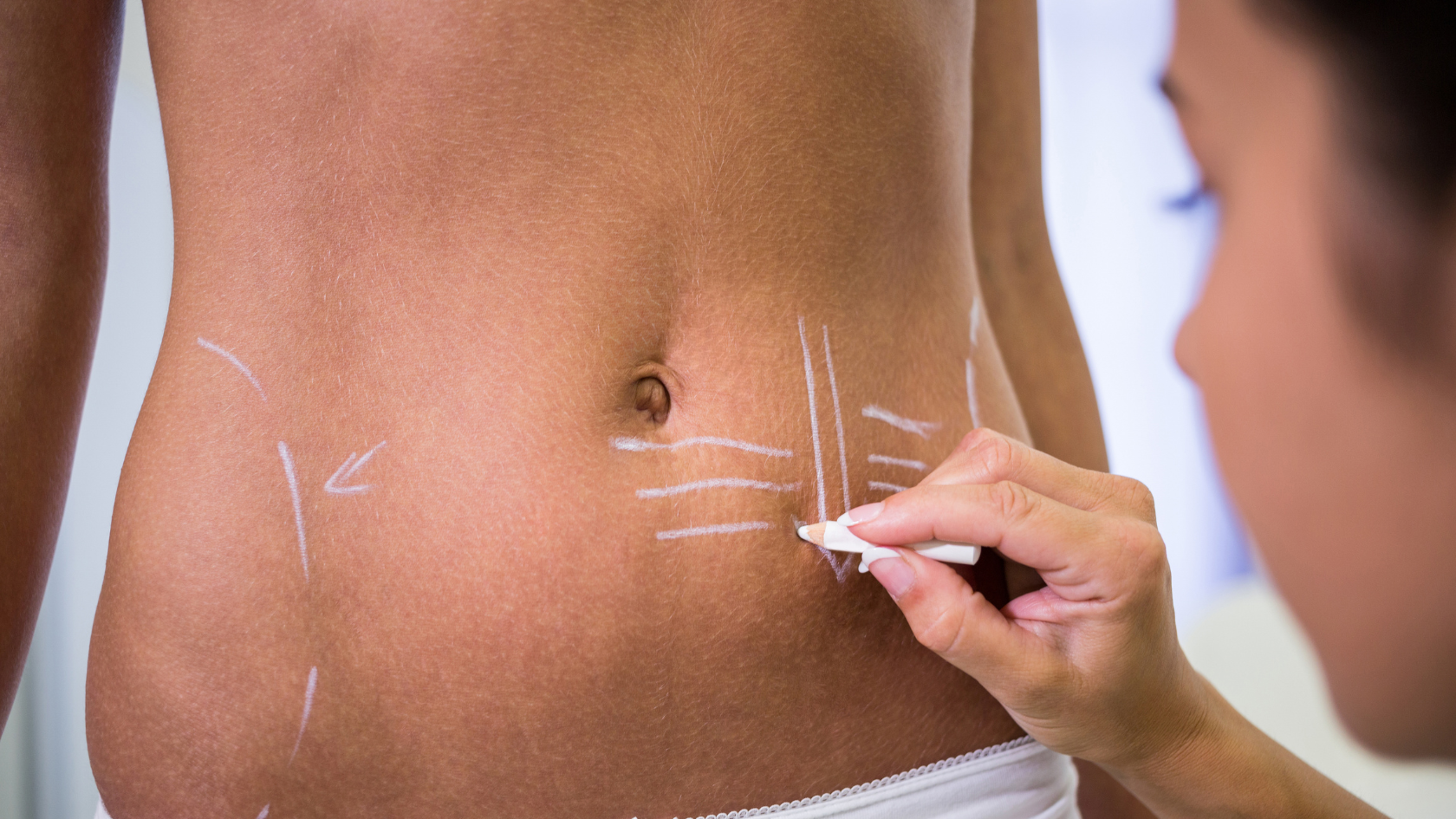
A handheld device sends laser energy through skin to heat fat cells until they break apart. A minimally invasive version makes a pin-size incision, inserts a laser fiber, melts fat, and may suction it out. A non-invasive version simply rests on top of the skin and lets your lymphatic system clear debris. Most people need one or two 25-minute sessions and see peak results in 8–12 weeks.
One small study shows up to 24 % of fat cells in the treated zone disappear after a single session. Benefits include quick return to work, mild redness or swelling, and low infection risk. Candidates should be near their target weight, free of loose skin, and have realistic goals. Pregnant patients and those with uncontrolled diabetes or cardiovascular disease are usually advised to wait.
Injection Lipolysis (Fat-Dissolving Shots)
- Aqualyx liquefies small fat pockets—often under the chin, love handles, or thighs.
- Kybella uses deoxycholic acid to dissolve submental fat and carries FDA approval.
- Lipotropic blends combine B-vitamins, amino acids, and other nutrients to boost overall metabolism while targeting local fat.
Expect a few tiny injections, some swelling that fades within a week, and results that build over 4–6 weeks. These shots are not a full-body weight-loss cure; they fine-tune shape once you’re close to goal weight.
Choosing the Right Option
Your provider will measure fat thickness, skin elasticity, and general health before recommending laser versus injections. Both share common after-care rules: drink water, wear compression (if advised), and keep weight steady to lock in results.
Side Effects and Safety
Laser lipolysis may cause brief bruising or tenderness, while injections occasionally create uneven contours if technique or after-care slip. Severe reactions are rare when licensed professionals perform the procedure and follow sterile technique. Always ask about credentials, product sourcing, and emergency protocols.
Melt Away Stubborn Fat with Lipolysis
Frequently Asked Questions
Most people feel warmth or mild stinging. Local numbing cream or anesthesia keeps discomfort low.
Laser lipolysis shows changes in 2–6 weeks; injections may take 4–8 weeks. Full results appear by 3 months.
Fat cells removed or destroyed do not grow back, but remaining cells can expand if you gain weight.
It shapes specific areas; it is not a shortcut for large-scale weight loss. Stick with nutrition and exercise for full-body changes.
People who are pregnant, have uncontrolled diabetes, severe heart disease, or bleeding disorders should avoid it.
Common targets are chin, abdomen, flanks, thighs, upper arms, and back.
One to two laser sessions or two to four injection rounds are typical, depending on fat thickness and goals.
Non-invasive laser has zero downtime; minimally invasive laser may need a day or two. Injection sites can feel puffy but let you return to work the same day.
Yes. The energy targets fat cells, not pigment, making it generally safe across skin types.
Maintain a steady weight, eat balanced meals, stay active, and hydrate—this keeps remaining fat cells from enlarging.