
Liposuction is one of the most common cosmetic surgeries people get. More and more people are choosing it each year. You might’ve seen it on TV shows, or maybe a friend has mentioned getting it. You might even be thinking about it for yourself—for those stubborn areas that won’t budge no matter what you do. But there’s a lot of confusion out there about what it actually is and how it works, so this guide explains the basics.
Key Takeaways
- Liposuction is surgical body contouring, not weight loss. A cannula suctions fat after tumescent fluid, shaping stubborn areas like belly, hips, arms.
- Modern options include laser- or ultrasound-assisted liposuction and micro-cannulas, which reduce bruising, allow smaller scars, and speed recovery for many patients, plus HD liposculpture.
- Confidence often rises as clothes fit better. Still, surgery carries risks like contour issues, infection, or rare fat embolism, so choose a board-certified surgeon.
- Expect soreness like a hard workout for a few days. Compression garments limit swelling; results emerge in weeks, refining by three to six months.
- Costs vary by areas treated and facility fees; many quotes land between six and nine thousand dollars. Best candidates stay near healthy weight.
Table of Contents
What Is Liposuction?
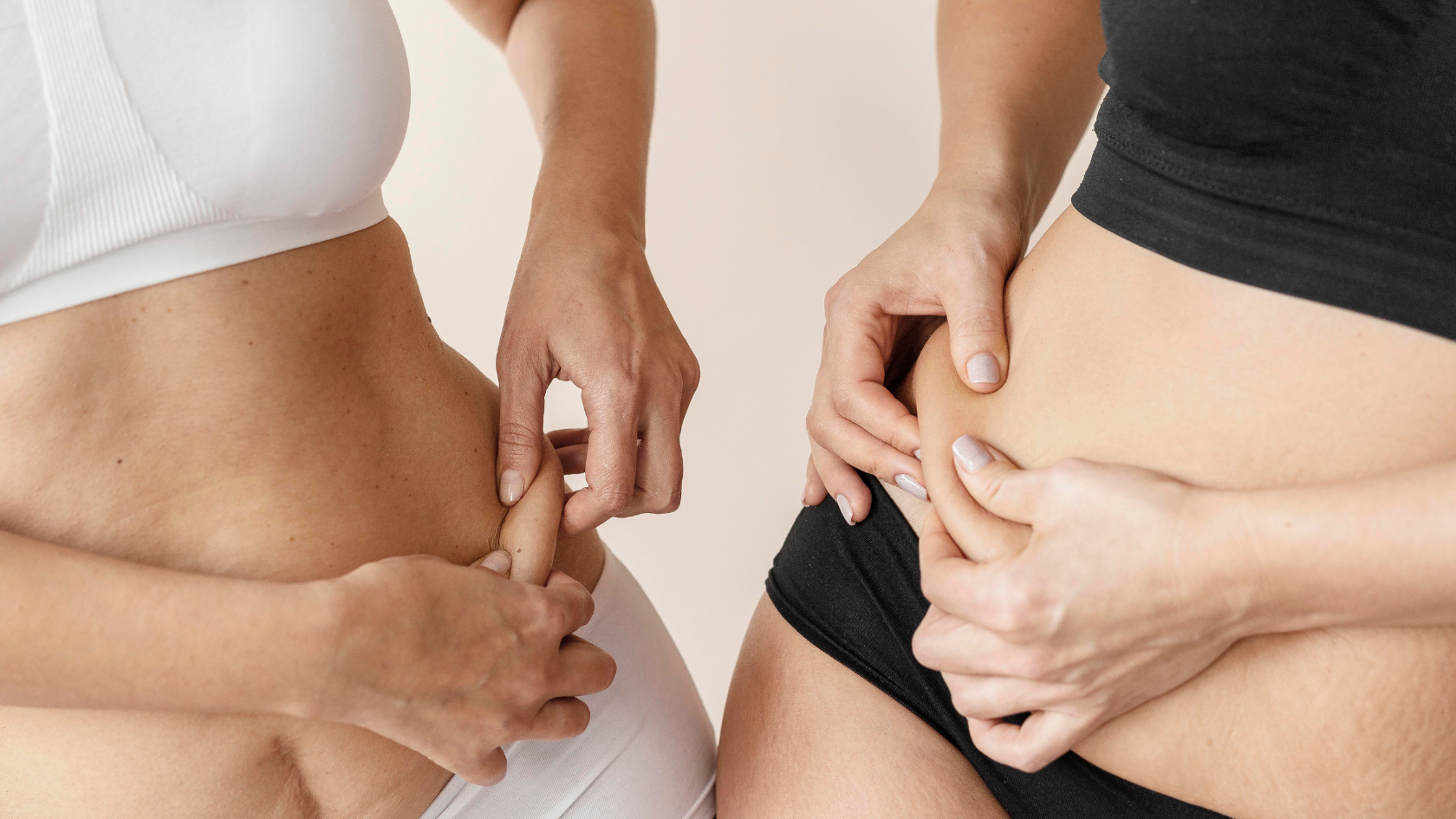
Liposuction is a surgery that removes pockets of fat your diet and workouts can’t seem to touch. During the procedure, a plastic surgeon slips a thin metal tube called a cannula into the fatty layer under your skin. The cannula links to gentle suction that vacuums fat cells away, giving your body a smoother outline.
Most surgeons use tumescent technique, meaning they first bathe the area with salty water mixed with numbing medicine and epinephrine. This step shrinks blood vessels, cuts bleeding, and makes fat easier to remove. Thanks to modern tools, liposuction isn’t a “one size fits all” treatment. In 2025, clinics offer laser-assisted, ultrasound-guided, and even power-assisted devices that break fat apart with less trauma.
Laser or ultrasound energy liquefies fat before suction, so your doctor can use smaller cannulas, which means tinier scars and quicker recovery. Surgeons most commonly treat the belly, hips, thighs, arms, back, and under the chin. They can remove up to about five liters (11 pounds) safely in one session, though that limit changes with your size and health. Liposuction is not a weight-loss fix.
Think of it as body contouring, it sculpts a shape you’re close to achieving on your own. People with firm, elastic skin and within 30 percent of a healthy weight bring home the best, longest-lasting results. After surgery, your removed fat cells are gone forever. Still, nearby cells can grow if you gain weight, so your doctor will nudge you to stick with smart eating and exercise. Results start to show once swelling eases, usually in four to six weeks, and final contours settle by three to six months.
Benefits, Risks, Costs, and 2025 Innovations
Why people love it. The biggest perk is confidence. When you see your silhouette smooth out, clothes fit better, workouts feel rewarding, and many patients report higher self-esteem. In 2025, new devices shorten operating time and trim bruising, so you’re back to normal life in days, not weeks. Some clinics even pair liposuction with fat transfer, moving purified fat to your buttocks or face for natural-looking lift.
Safety first. Any surgery carries risk. With liposuction, the main concerns are contour irregularities, numb skin, fluid buildup, infection, or rarely, fat embolism where loosened fat blocks a blood vessel. Choosing a board-certified plastic surgeon who operates in an accredited center slashes these dangers. A healthy adult with stable weight, no major heart or lung problems, and realistic goals is the best candidate. You’ll sign consent forms to show you understand pros and cons before the big day.
Real-world caution. Headlines remind us that poor oversight can turn tragic. Early in 2025, an influencer in Mexico died after an alleged medication error during liposuction, a sober lesson that vetting your surgeon’s credentials is non-negotiable.
Cost snapshot. In the United States, the surgeon’s fee averages $4,700 for one area. Add the facility, anesthesia, and after-care supplies, and totals can range $6,000–$9,000. Prices climb with more body zones or advanced energy-assisted devices. Always ask for an itemized quote up front and check if compression garments and follow-up visits are included.
2025 tech upgrades.
- Micro-cannulas: Even smaller tubes mean pin-prick scars and smoother lines.
- Robotic assistance: Some centers test AI-guided arms that keep suction depth steady, lowering human error.
- High-definition (HD) liposculpture: Surgeons strategically remove and leave fat to define muscles, think “six-pack etching.”
- No-drain techniques: Special quilting stitches reduce fluid pockets, letting patients skip surgical drains at home.
These advances translate to shorter downtime and happier patients, but they also call for surgeons with extra training. Ask to see before-and-after photos of recent cases done with the same device your doctor recommends.
Shape Your Confidence
Frequently Asked Questions
No. It targets shape, not scales. You may drop a few pounds from removed fat, but diet and activity decide long-term weight.
Age alone isn’t the issue, overall health and skin elasticity matter more. Many healthy people in their 60s enjoy safe results.
Expect soreness like an intense workout for three to seven days. Prescription pain pills are usually needed only for the first 48 hours. Compression garments cut swelling and discomfort.
Light walking starts the next day. Most patients return to full workouts after three weeks, once cleared by their surgeon.
If you gain weight after surgery, fat can enlarge in untreated areas, making them look out of proportion. Stable habits keep your new contours.
Tiny incisions—about 5 mm—hide in natural skin folds. Over months they fade to faint lines that are hard to spot.
Major swelling peaks at one week and fades in four to six weeks. Wearing your garment day and night speeds the process.
It may soften dimples a bit but does not cure cellulite. Adding energy-based skin-tightening or fat grafting can improve texture.
Laser energy helps tighten skin and reduce bruises, but results depend more on surgeon skill than gadget choice.
Verify the surgeon is board-certified, the facility is accredited, and emergency protocols are in place. Read recent reviews and ask every question you have before booking.