
Trying to drop extra pounds or manage blood sugar but tired of confusing diets? The ketogenic diet—often called “keto”—swaps most of your carbs for healthy fats so your body burns fat for fuel. The idea sounds high-tech, yet it’s been used in hospitals for nearly 100 years to help kids with epilepsy.
But keto isn’t magic. You still need balanced meals, smart food choices, and a doctor’s OK, especially if you have heart, kidney, or hormone issues. Below you’ll find what keto is, how it supports medical weight loss, and easy answers to common questions so you can decide if it fits your life.
Key Takeaways
- Keto is a very-low-carb, high-fat plan: 20–50 grams net carbs, moderate protein; ketones power brain and muscles, often reducing hunger.
- Many lose weight as ketones curb appetite; benefits include steadier blood sugar and improved triglycerides, though LDL can rise without unsaturated fat emphasis.
- Keto isn’t one-size-fits-all; watch nutrients, hydration, and kidney risk. Expect “keto flu.” Monitor labs and get medical guidance for heart, kidney, or hormone conditions.
- Practical playbook: choose olive oil and fatty fish, keep protein moderate, load non-starchy vegetables, hydrate, replace electrolytes, and adjust carbs if labs worsen.
- Use keto for medical weight loss thoughtfully: medication interactions exist; some groups should avoid it. Partner with clinicians, personalize carbs, and prioritize whole foods.
Table of Contents
What Is The Ketogenic Diet?
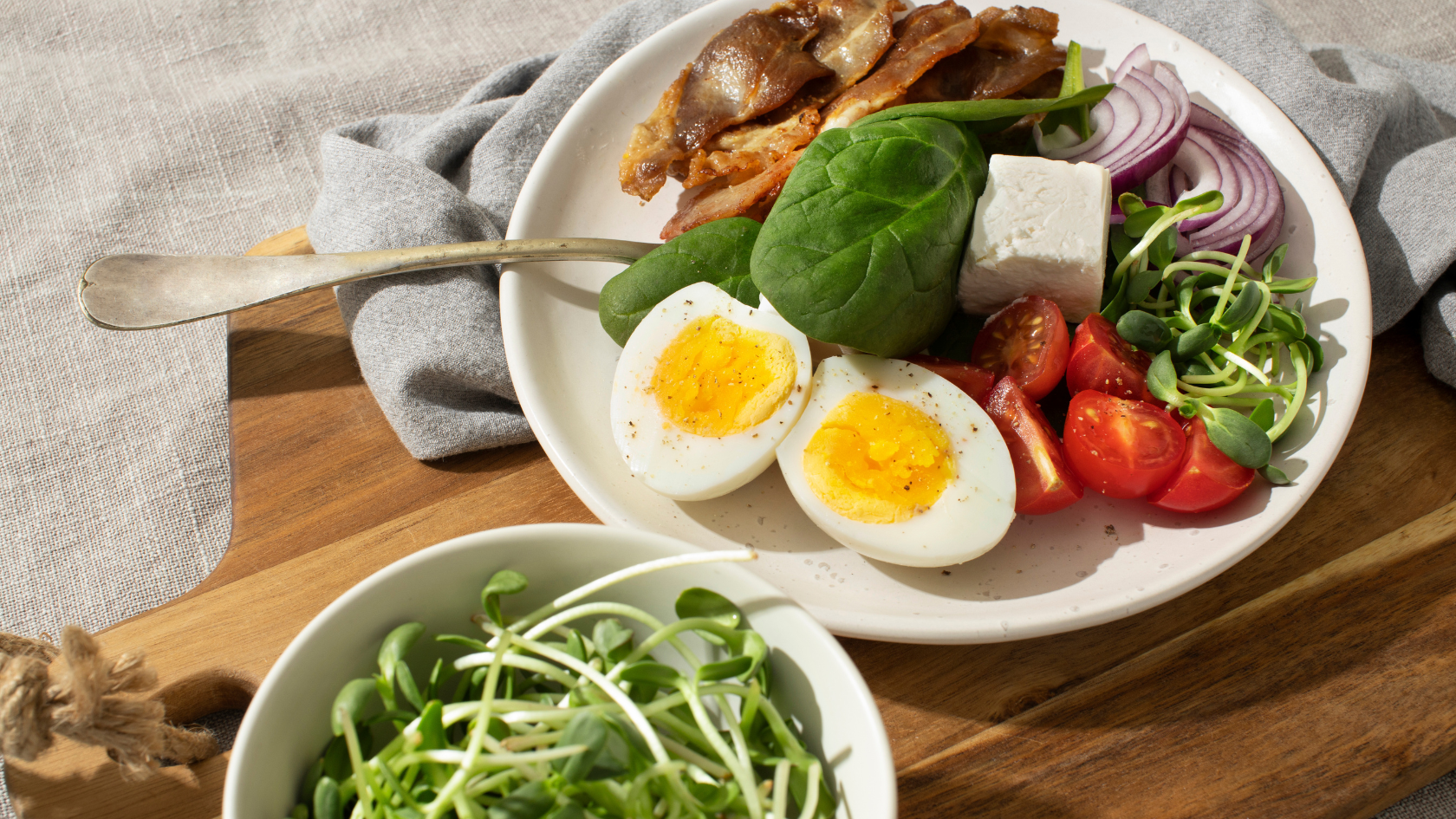
Keto is a very-low-carb, high-fat eating plan. Classic versions keep net carbs at 20–50 grams a day, about the carbs in a single banana, while upping fat to 60–75 % of daily calories and keeping protein moderate. The sharp carb cut forces your liver to make ketones. These tiny fuel molecules power your muscles and brain when glucose is scarce, a state called ketosis.
Because ketones curb hunger hormones, many people report feeling full on fewer calories. A 2024 review in Nutrients found that every 10 g drop in net carbs meant roughly 0.6–1.3 kg more weight lost over a year in adults with obesity, without raising “bad” LDL cholesterol when the diet emphasized unsaturated fats.
Foods you can enjoy:
- Non-starchy veggies (broccoli, spinach)
- Healthy fats (avocado, olive oil, nuts, seeds)
- Lean proteins (chicken, fish, eggs)
- Small portions of berries and plain Greek yogurt for fiber and calcium
Foods to limit or skip: bread, rice, sugary drinks, most fruit, beans, and ultra-processed snacks. A “Healthy Keto” pattern like Mayo Clinic’s keeps fiber-rich veggies high and net carbs near 50 g to boost gut health and make the plan easier to stick with.
Medical teams first used keto to calm hard-to-treat seizures. New science shows ketones may also shield the brain. A 2025 mouse study from the University of Missouri found keto improved energy use in female animals carrying the Alzheimer’s-risk APOE4 gene, hinting that personalized nutrition may protect aging brains.
Still, keto isn’t one-size-fits-all. Harvard experts warn that very high saturated fat can raise LDL cholesterol, while severe carb limits may crowd out vitamin-rich fruits and whole grains. Doctors also watch for “keto flu,” dehydration, and kidney stones, especially in people with diabetes or kidney disease.
How The Ketogenic Diet Supports Medical Weight Loss
Switching to fat-burning mode can speed early weight loss. In the 2024 Healthy Ketogenic Diet trial, adults with obesity were 14 times more likely to drop at least 10 % of their body weight at three months versus a calorie-cut diet. Lower insulin levels, steadier blood sugar, and fewer hunger pangs made sticking to the plan easier.
Keto may also trim triglycerides and improve HDL (“good”) cholesterol, which helps your heart. Yet long-term data show mixed results: some people see LDL climb, raising cardiovascular risk. An American Journal of Clinical Nutrition review urges caution, calling for regular blood tests and emphasis on unsaturated fats like olive oil and salmon.
Practical tips for a safer, more effective keto journey:
- Focus on quality fats. Swap butter for olive oil and choose fatty fish over processed meats.
- Keep protein moderate. About 1.2–1.7 g per kg body weight keeps muscle without kicking you out of ketosis.
- Load up on non-starchy veggies. They add fiber, vitamins, and help prevent constipation.
- Stay hydrated and replenish electrolytes. Broth, leafy greens, and a magnesium supplement can curb “keto flu.”
- Cycle out or liberalize carbs if labs worsen. Some people thrive on 50 g net carbs, not 20 g.
- Work with a healthcare team. Keto can clash with SGLT-2 diabetes meds, warfarin, or pregnancy nutrition needs.
Emerging studies also flag hidden downsides. A 2025 Science Advances animal study linked long-term strict keto to fatty liver and early heart changes, underscoring the need for follow-up care and possibly periodic carb re-feeds.
In short, keto can be a useful medical weight-loss tool when done thoughtfully, never recklessly. Balance, lab monitoring, and whole-food choices help you tap the benefits while dodging pitfalls.
Unlock the Power of the Ketogenic Diet
Frequently Asked Questions
Many see 1–3 kg (2–6 lb) drop in the first two weeks, largely water. Sustainable fat loss averages 0.5 kg (1 lb) a week afterward. Results vary by age, muscle mass, and activity.
Some people maintain keto for years without issues, but rising LDL, nutrient gaps, and kidney stress can appear. Annual blood work and dietary tweaks are key.
Possibly. Keto often lowers blood sugar, but medication doses—especially insulin and sulfonylureas—may need adjustment to avoid hypoglycemia. Always consult your doctor first.
Not at first; ketosis naturally controls appetite. Still, monitoring portions prevents hidden carb creep and stalls.
Common signs are reduced hunger and “metallic” breath. For certainty, use finger-stick blood ketone meters (≥0.5 mmol/L) or less-accurate urine strips.
Yes—focus on tofu, tempeh, nuts, seeds, olive oil, and low-carb veggies. You may need B-12, iron, and omega-3 supplements.
A basic multivitamin, magnesium, sodium/potassium broth, and omega-3s cover common gaps.
Children without medical supervision, pregnant or breastfeeding women, people with kidney disease, type 1 diabetes, or pancreatitis should steer clear unless guided by a specialist.