
If you’re trying to lose weight, vegetables should be at the top of your list. They’re naturally low in calories but packed with vitamins, minerals, and fiber. That means you can eat larger portions without overdoing it on calories, a key part of any realistic weight loss plan. Some vegetables are especially helpful when you’re trying to shed extra pounds.
Leafy greens like spinach, fibrous picks like broccoli, and water-rich veggies like zucchini or cucumber can help you feel full and satisfied while still keeping your calorie intake low. Studies show that people who eat more vegetables tend to have healthier body weights and better long-term results when it comes to maintaining them (Harvard T.H. Chan School of Public Health, 2023; Mayo Clinic, 2024).
And if you’ve ever wondered what are the best vegetables to eat for weight loss, this guide explains the best vegetables to focus on, and why they are worth considering. You will want to focus on whole, simple foods that easily fit into your everyday meals. This doesn’t need to be complicated, difficult, or expensive.
Key Takeaways
- The best vegetables for weight loss are those low in calories but high in water, fiber, and nutrients—letting you eat larger volumes without dropping your calorie deficit.
- Non-starchy greens like spinach, kale, romaine, and bok choy offer minimal calories yet deliver vitamins and minerals, making them ideal for healthy weight-loss meals.
- Cruciferous vegetables, such as broccoli, cauliflower, and cabbage, provide extra fiber and plant compounds, helping you stay full longer and support metabolism.
- Colorful veggies like bell peppers, carrots, and zucchini add volume, variety, nutrients, and flavor without adding many calories—key for sustainable meal planning.
- Portion tips matter: aim to fill half your plate with vegetables, pair them with lean protein and healthy fats, and avoid drowning them in high-calorie dressings or sauces.
Table of Contents
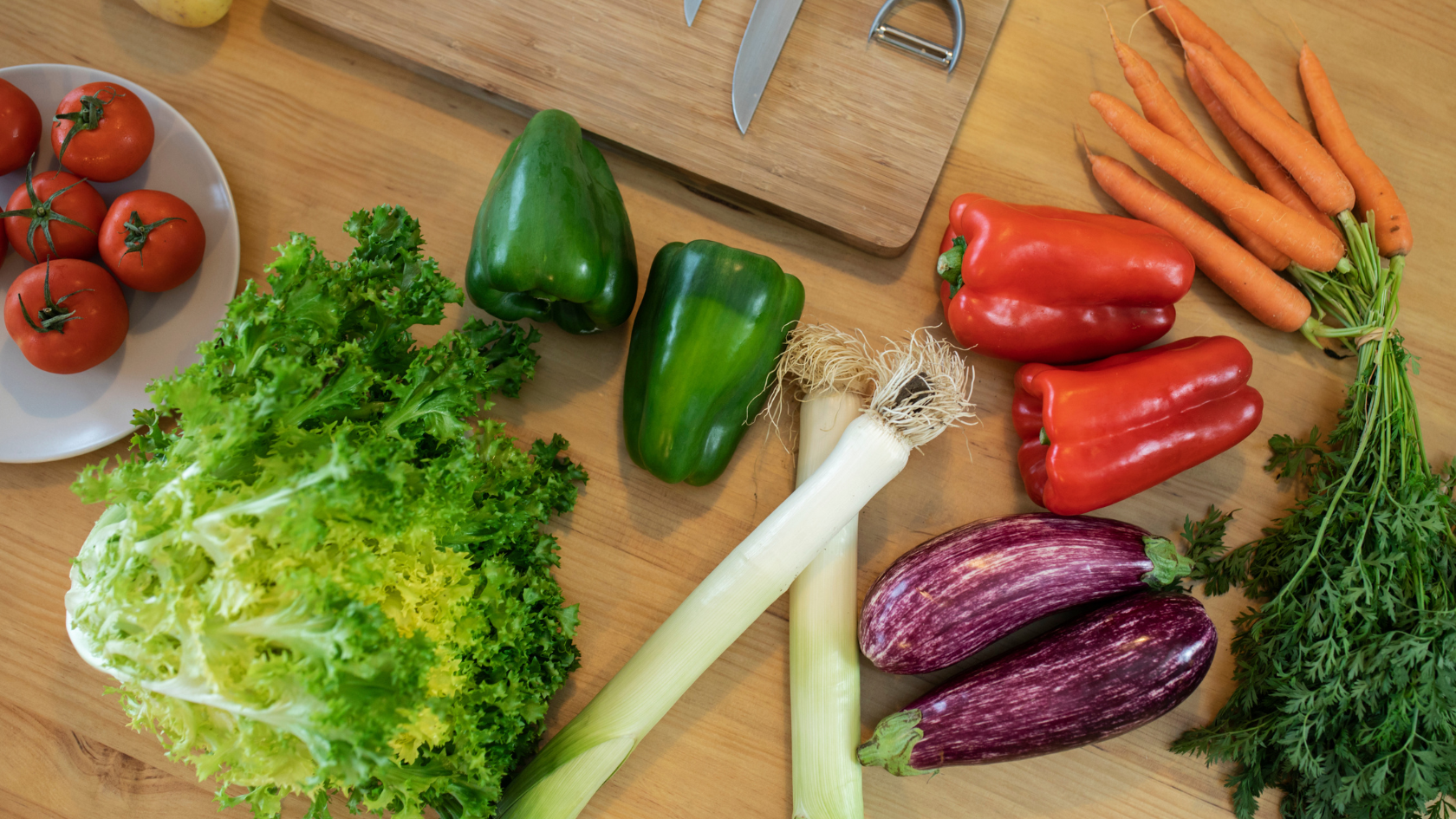
The Powerhouses of Weight Loss: What Are the Best Vegetables to Eat?
When it comes to losing weight, vegetables are your best friend. They’re low in calories but loaded with fiber, vitamins, minerals, and antioxidants that help your body work better. The real trick behind vegetables is their low energy density which means you can eat more volume for fewer calories. A bowl full of roasted broccoli or a large salad with leafy greens will fill you up faster than a smaller portion of high-calorie foods like pasta or bread.
The main reason vegetables support weight loss so well is because of fiber. Fiber slows digestion, which keeps you full longer and helps manage cravings. It also helps control blood sugar levels, preventing the spikes and crashes that often lead to overeating. High-fiber vegetables like broccoli, Brussels sprouts, carrots, and green beans are especially effective for curbing hunger while keeping your meals light.
According to the Harvard T.H. Chan School of Public Health (2023), eating more high-fiber vegetables is linked to better weight control and improved gut health, both key for maintaining a healthy weight. Another reason to eat more vegetables is their high water content. Foods like zucchini, cucumber, tomatoes, and celery are packed with water, which adds volume to your meals and helps you feel satisfied without adding extra calories.
Staying hydrated through water-rich foods can also reduce bloating and help your metabolism function properly. Research from the Mayo Clinic (2024) notes that diets rich in water-heavy produce tend to result in lower calorie intake and more effective long-term weight management. Leafy greens like spinach, kale, Swiss chard, and romaine lettuce are some of the most nutrient-dense foods you can eat.
They deliver vitamins A, C, and K, along with minerals like calcium and magnesium, all for a very low calorie cost. These greens can be added to smoothies, soups, or wraps without changing flavor too much, making them easy to eat daily. A cup of raw spinach, for example, has only about 7 calories but packs fiber, iron, and plant-based compounds that support metabolism and overall health.
Don’t forget colorful veggies like bell peppers, carrots, and red cabbage. Their natural pigments come from antioxidants such as beta-carotene and anthocyanins, which help reduce inflammation, something often linked to slow metabolism and fat storage. Regularly eating these vegetables can improve your energy and help your body burn calories more efficiently.
The Ultimate Weight Loss Champion: What Is the Best Vegetable to Eat?
Losing weight can be confusing. There are so many diets that tell you to eat this or avoid that—low carb, high protein, calorie counting, fasting, and more. But no matter which plan you follow, one thing always stays true: vegetables matter. They’re low in calories, full of nutrients, and help you eat more food without overeating. You feel satisfied, not deprived.
Some vegetables are especially helpful for weight loss. They’re packed with fiber and water, which keeps you full longer. They also help control blood sugar so you don’t end up craving sweets or snacks. When you eat the right kinds, losing weight feels easier and more natural. Among all the options, spinach stands out. It’s simple, affordable, and one of the most nutrient-rich vegetables you can eat.
A cup of raw spinach has only about 7 calories, but it gives you vitamins A, C, and K, along with iron and folate. Research shows that leafy greens like spinach support weight control and overall health because they add bulk to your meals without adding extra calories. Spinach also fits any eating style. Whether you’re counting calories, cutting carbs, or just trying to eat better, it works. You can toss it into eggs, smoothies, soups, or salads.
It doesn’t overpower other flavors, so it’s easy to eat often. So if you’re asking what the best vegetable for weight loss is, it’s not some rare or expensive superfood. It’s spinach. Simple, easy to find, and proven to help you stay full and healthy while keeping calories low.
Why Spinach Takes the Lead
Spinach is light on calories but heavy on nutrients. Three cups of raw spinach contain only about 20 calories, yet you’ll get around 2 grams of fiber and 2.5 grams of protein (Health.com, 2024). That’s a lot of nutrition for such a small calorie cost. It’s also made up of over 90% water, which means it adds bulk to your meals and helps you feel full longer without loading up on calories.
What makes spinach special is its low energy density, a term used in nutrition to describe foods that provide fewer calories per gram. According to Harvard Health Publishing (2023), people who eat more low-energy-dense foods like leafy greens tend to consume fewer calories overall and lose more weight over time. Spinach falls into that category because it delivers volume and satisfaction without high calorie intake.
Beyond weight loss, spinach brings a solid nutritional boost. It’s packed with vitamin A, vitamin K, iron, magnesium, and folate, which support energy production and metabolism. It also contains antioxidants like lutein and beta-carotene, which help fight inflammation and oxidative stress, two things that can slow your progress if left unchecked.
What Science Says About Spinach and Weight Control
Several studies highlight how leafy greens like spinach can help manage weight. Researchers at Harvard found that people who ate more servings of leafy vegetables lost more weight over a four-year period compared to those who didn’t (Harvard T.H. Chan School of Public Health, 2023). Another report from the Mayo Clinic (2024) emphasizes that vegetables high in fiber and water, like spinach, make it easier to maintain a calorie deficit without feeling hungry.
One of spinach’s key advantages is its ability to help with appetite control. The fiber and water content slow down digestion, preventing quick spikes and drops in blood sugar levels. This helps stabilize hunger signals and reduces cravings, something most people struggle with when cutting calories. Some studies even suggest that spinach extracts rich in thylakoids (natural plant compounds found in spinach leaves) may further promote satiety and reduce appetite by affecting hormones that regulate hunger (Appetite Journal, 2021).
How to Use Spinach for Weight Loss
You don’t have to eat spinach plain or raw to get its benefits. The best way to include it is by adding it into foods you already enjoy. You can:
- Toss a handful of baby spinach into smoothies — it blends easily and doesn’t affect taste much.
- Add chopped spinach to omelets, soups, or pasta dishes to bulk them up
- Use it as a base for salads instead of heavier greens or starchy sides.
- Sauté it with garlic and olive oil for a quick, nutrient-rich side dish.
The versatility of spinach makes it easy to eat daily without getting bored. Whether it’s raw, cooked, or blended, it fits into almost any meal plan. And since it’s affordable and widely available year-round, it’s an accessible choice for anyone trying to eat healthier.
Not a Magic Fix, but a Smart Staple
It’s important to remember that no single vegetable can magically melt fat. Spinach works best when it’s part of a balanced diet filled with other whole foods; lean proteins, whole grains, and healthy fats. As nutrition experts from EatingWell (2024) point out, the best vegetable for weight loss is the one you’ll actually eat consistently. If you don’t love spinach, other greens like kale, romaine, or collard greens offer similar benefits.
Still, spinach stands out for its simplicity, flexibility, and proven track record in studies. It’s low-calorie, nutrient-dense, and works naturally with your body’s hunger signals, exactly what you need when trying to manage your weight without feeling deprived.
Start Small, See Real Change
Going Green: What Is the Best Green Vegetable for Weight Loss?
Green vegetables easily come to mind and for good reason. They’re low in calories, packed with fiber, and full of nutrients that your body needs to stay energized and balanced while you lose weight. Green vegetables are also versatile, easy to prepare, and fit into almost any diet plan. Whether you eat them raw in salads, cooked in soups, or blended into smoothies, greens add volume to your meals without adding unnecessary calories.
Eating more green vegetables is one of the simplest ways to improve your diet and support healthy weight loss. They’re full of fiber and water, which help fill your stomach and reduce hunger naturally. They also contain antioxidants and plant compounds that can improve your metabolism and help your body use energy more efficiently.
Research published by the Harvard T.H. Chan School of Public Health (2023) notes that increasing your intake of non-starchy vegetables, especially dark leafy greens, is linked to better weight management and reduced risk of long-term weight gain. Among the wide range of greens available, spinach and kale stand out as the top choices.
Both are nutrient powerhouses that deliver major benefits without adding many calories, and both are easy to find, affordable, and adaptable in daily meals.
Spinach — The Everyday Green That Makes a Big Difference
Spinach is one of the most effective green vegetables for weight loss because it’s low in calories but high in nutrients and volume. One cup of raw spinach has about 7 calories and over 90% water content, according to the USDA. That means you can eat large portions of it, feel full, and still stay within your calorie goals.
Spinach is rich in fiber, which slows digestion and helps you feel satisfied after meals. It also stabilizes blood sugar, which reduces cravings and prevents overeating later in the day. This makes it ideal for people who struggle with snacking or emotional eating. Nutritionally, spinach packs a serious punch. It’s loaded with vitamins A, C, and K, plus iron, folate, magnesium, and calcium, all of which support healthy metabolism and energy levels.
Spinach also contains thylakoids, natural plant compounds shown in studies to promote satiety and reduce appetite. A 2021 study published in the Appetite Journal found that thylakoid-rich foods, like spinach, can help delay hunger and reduce calorie intake during subsequent meals. Another reason spinach ranks high when asking what are the best vegetables to eat for weight loss is its versatility.
You can eat it in almost anything, raw in salads, steamed as a side dish, sautéed with eggs, or blended into smoothies. It’s mild in taste and texture, so it blends well with other foods and never feels like a “diet food.” That makes it easy to eat often, which is the real key to long-term success.
Kale — The Hearty Green with Staying Power
If spinach is the light, easy option, kale is the heavier hitter. Kale is slightly more fibrous, which helps slow digestion even more and keeps you full for longer. One cup of raw kale contains only about 33 calories, yet it’s one of the most nutrient-dense foods you can eat (Verywell Fit, 2024). Kale is rich in vitamins K, A, and C, as well as potassium, calcium, and iron.
It’s also packed with antioxidants like lutein and zeaxanthin, which protect your cells and support metabolism. Because it’s high in fiber and low in calories, kale fits perfectly into any calorie-controlled diet. The Cleveland Clinic (2024) calls kale one of the healthiest vegetables on the planet because of its mix of nutrients and antioxidants that help reduce inflammation, something often tied to weight gain and slower metabolism.
Its tough texture also makes you chew more, which naturally slows down eating and gives your brain time to signal fullness. Kale is versatile, too. You can use it in soups, stews, stir-fries, or even roasted into chips. It holds up well under heat and keeps its nutrients even after cooking. Some people prefer to massage raw kale with olive oil and lemon juice to soften the leaves for salads, a simple trick that makes it more enjoyable.
Why Green Vegetables Are So Effective for Weight Loss
Both spinach and kale and other green vegetables like broccoli, cabbage, and Swiss chard, have a combination of traits that make them ideal for weight management:
- Low-calorie, high-volume foods: They let you eat large portions for fewer calories, which helps with portion control naturally.
- High fiber and water content: These two components work together to keep you full longer, reduce cravings, and improve digestion.
- Nutrient-dense: Even when you’re eating fewer calories, your body still gets the vitamins and minerals it needs to function properly.
- Anti-inflammatory effects: Many green vegetables contain antioxidants that may help regulate hormones and metabolism.
- Simple and sustainable: They’re affordable, easy to find, and can be prepared in dozens of ways, so it’s easy to make them part of your regular meals.
Experts often say that the best diet for weight loss is the one you can stick with. Green vegetables make that possible. They don’t require complicated recipes, supplements, or strict meal plans. You just add more of them and let their natural fiber, nutrients, and water work in your favor.
Juicing for Weight Loss: What Is the Best Vegetable to Juice?
When people talk about what are the best vegetables to eat for weight loss, juicing often comes up. Drinking vegetables may sound like a shortcut, and in some ways, it is, juicing can help you get more nutrients in less time. But it’s important to understand that while juicing can support weight loss, it’s not a magic fix. It’s a tool that works best when used the right way.
Why Juicing Can Help with Weight Loss
Juicing is an easy way to get vitamins and minerals from vegetables without spending much time in the kitchen. You can drink it in the morning, before meals, or as a quick snack instead of eating something heavy. Most vegetable juices are low in calories but packed with nutrients, which makes them a good addition to a healthy diet.
One of the main benefits of juicing is hydration. Vegetables like cucumber, celery, and spinach are mostly water, so they help you stay refreshed and full. According to Healthline (2024), juices made with mostly non-starchy vegetables are helpful for cutting calories while still giving your body the nutrients it needs. They can also take the place of sugary drinks like soda or energy drinks, helping you lower your daily calorie intake.
However, juicing removes most of the fiber found in whole vegetables. Fiber is important because it helps with digestion and keeps you full longer. Without it, vegetable juice might not keep you satisfied for very long. Medical News Today (2024) says it’s best to use juice as a supplement, not as a replacement for eating vegetables. When used that way, juicing can be a simple and healthy way to support your diet and weight goals.
Top Vegetables to Juice for Weight Loss
Not all vegetables make great juice. Some are too starchy or heavy, while others are perfect because they’re light, hydrating, and full of flavor. Here are some of the top picks that nutritionists often recommend when talking about what are the best vegetables to eat for weight loss and how to juice them effectively:
1. Celery
Celery juice has become one of the most popular drinks for people focused on weight management. It’s about 95% water, extremely low in calories, and contains antioxidants that support gut health and reduce bloating. A single cup of celery juice has roughly 30–35 calories but provides potassium, vitamin K, and folate, all important for metabolism and fluid balance.
According to Healthline (2024), celery juice can be a good low-calorie option to replace sugary drinks and support hydration throughout the day.
2. Cucumber
Cucumber is another excellent vegetable for juicing. Like celery, it’s mostly water and adds volume to your juice without adding calories. A cucumber juice base helps you stay hydrated, which can reduce cravings that often come from thirst rather than hunger. It’s also rich in silica and antioxidants, which support skin and joint health. Combined with greens like spinach or kale, cucumber juice makes a refreshing, low-calorie drink that helps control appetite naturally.
3. Kale
Kale juice isn’t as light-tasting as cucumber or celery, but it’s loaded with nutrients. One cup of kale juice contains vitamins A, C, and K, plus minerals like calcium and potassium. It’s also rich in antioxidants that may support metabolism and reduce inflammation. According to the Cleveland Clinic (2024), kale’s nutrient density makes it an ideal vegetable to include in a weight loss plan, especially when combined with other lighter veggies in juice form. You can blend kale with cucumber or green apple to balance its stronger taste.
4. Spinach
Spinach is mild, nutrient-dense, and blends easily into almost any juice. It’s packed with iron, folate, and magnesium, all of which help support metabolism and energy. Spinach juice is also low in calories about 25 calories per cup and helps you meet your daily vegetable goals quickly. Research in the Appetite Journal (2021) found that spinach’s natural compounds, called thylakoids, may help control appetite by slowing digestion and increasing feelings of fullness, even in juice form.
5. Carrots
While carrots are slightly higher in natural sugars than most greens, they’re still a healthy option when juiced in moderation. Carrot juice adds a mild sweetness and provides beta-carotene, an antioxidant that supports eye health and immune function. Pairing carrots with celery or cucumber helps balance the flavor while keeping calories low.
How to Make a Nutritious Weight Loss Juice
If you’re juicing to lose weight, the goal is to create a drink that’s low in calories but rich in nutrients. Here are some easy, realistic tips to make your juices work for you:
- Use mostly vegetables, not fruit. Too much fruit turns your juice into a sugar bomb. Stick to 80% vegetables and 20% fruit at most.
- Choose non-starchy veggies. Avoid corn, peas, or potatoes — they’re better eaten whole. Focus on greens and water-rich vegetables.
- Add a touch of citrus. A squeeze of lemon or lime adds flavor and vitamin C, which helps iron absorption from leafy greens.
- Don’t overdo it. One glass (8–12 oz) is enough. Drinking too much juice adds unnecessary calories.
- Drink it fresh. Juice loses nutrients quickly once exposed to air. Try to drink it within 20–30 minutes of making it.
- Keep the pulp. If you can, stir some of the leftover pulp back in to retain a bit of fiber. That helps with fullness and digestion.
- Use it as a snack or pre-meal drink. Having juice before eating can slightly reduce appetite and make you less likely to overeat.
According to BetterMe (2024), juicing vegetables can help create a calorie deficit while improving your intake of key nutrients. But it works best as part of a healthy eating plan, not as a replacement for whole foods.
The Best Vegetable to Juice for Weight Loss
If you had to choose just one vegetable to juice for weight loss, celery comes out on top. It’s light, hydrating, and extremely low in calories. It also contains natural electrolytes that support hydration and energy levels, which can make sticking to your diet easier. Healthline (2024) lists celery juice as one of the most effective options for weight management because it’s simple, refreshing, and doesn’t spike blood sugar.
Still, variety matters. Mixing celery with cucumber, kale, or spinach gives you a better balance of vitamins and minerals while keeping your juice interesting and flavorful.
Make Greens Your Daily Habit
The Role of Vegetables in Diet Types: What Type of Vegetables Are Good for Weight Loss?
You’ve probably noticed that every successful diet includes vegetables. Whether it’s keto, paleo, vegan, or just counting calories, vegetables always fit in. They’re low in calories, packed with nutrients, and help you feel full without overeating. But not all vegetables do the same thing for your body. Some are light and full of water, so you can eat more for fewer calories.
Others are high in fiber, which helps you stay full longer. Some give you slow-burning energy for your day, while others, like broccoli or cauliflower, may even help your metabolism work better. The key isn’t to look for one “super” vegetable. It’s about knowing which ones help in different ways and combining them for balance. When you mix them right, eating healthy feels natural. You get flavor, texture, and variety without going over your calorie goals.
Vegetables also work for different diet types. If you’re low-carb, leafy greens and cruciferous vegetables are best. If you’re vegetarian or plant-based, root vegetables like sweet potatoes or carrots can give you energy. And if you’re watching portions, water-rich vegetables like cucumber, zucchini, and celery help you feel full with fewer calories.
Research supports this. A 2023 report from the Harvard T.H. Chan School of Public Health found that people who eat a mix of vegetables, especially non-starchy ones, tend to have lower body weight and better metabolism. The Mayo Clinic (2024) also says variety matters. Eating from all vegetable groups helps control hunger and keeps your body nourished.
So instead of asking which vegetable burns the most fat, ask which ones you should eat often to make weight loss easier. Leafy greens, cruciferous vegetables, root vegetables, water-rich types, and even some starchy ones all have a role.
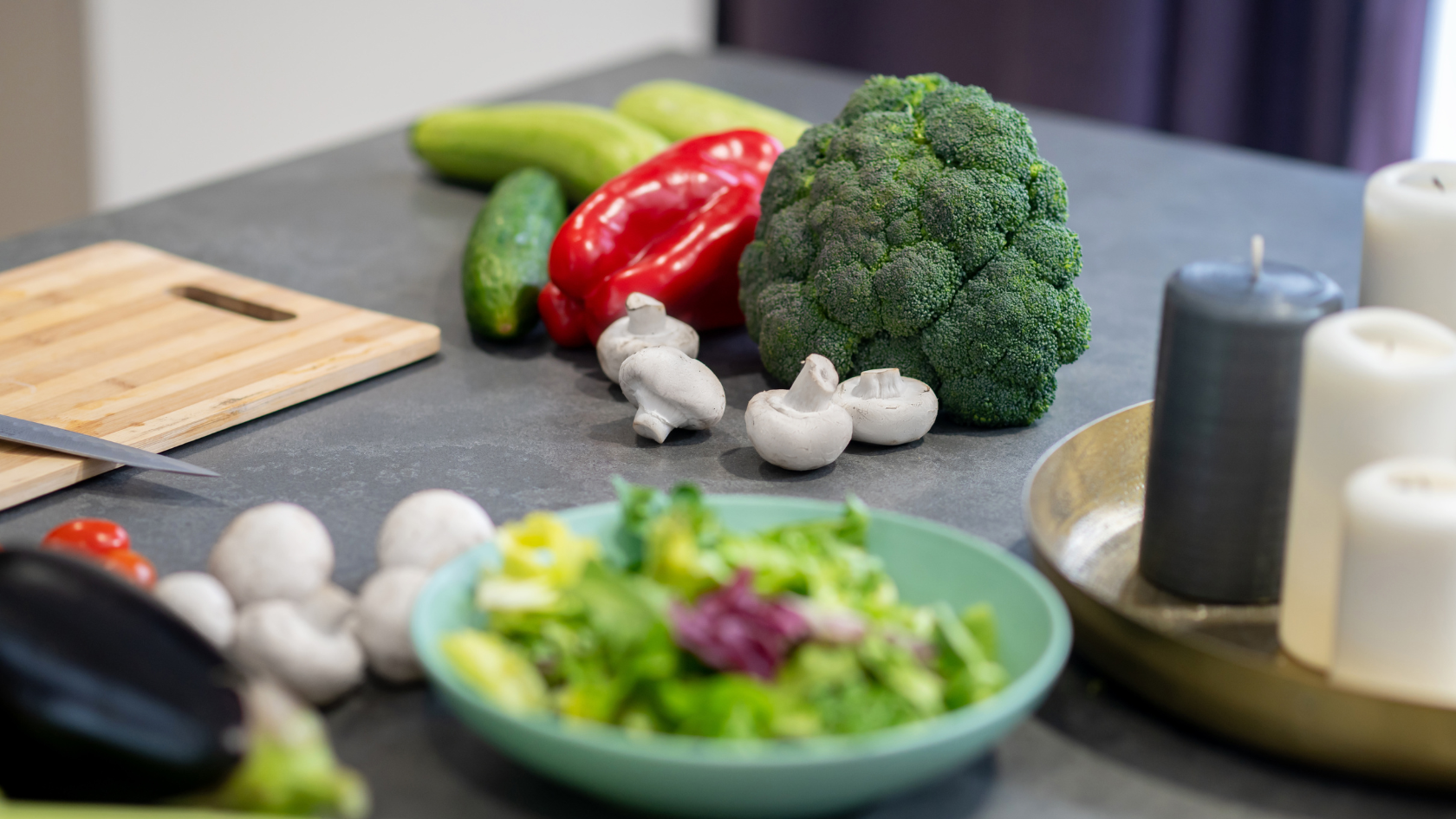
1. Leafy Greens — Light, Filling, and Packed with Nutrients
If you ask a dietitian what are the best vegetables to eat for weight loss, leafy greens almost always come first. They’re incredibly low in calories but full of fiber, water, and micronutrients. That combination makes them ideal for volume eating, meaning you can fill your plate without overeating. Some of the best leafy greens include spinach, kale, arugula, romaine lettuce, collard greens, and Swiss chard.
A cup of raw spinach, for example, has only about 7 calories but provides a boost of vitamins A, C, and K, plus iron and magnesium for energy and muscle function. These nutrients support metabolism and help your body burn calories more efficiently. According to the Harvard T.H. Chan School of Public Health (2023), diets rich in leafy greens are linked to lower body weights and reduced risk of chronic diseases.
These greens are also flexible, you can eat them raw in salads, sauté them with olive oil, blend them into smoothies, or toss them into soups. Their mild flavor makes it easy to eat them daily without feeling like you’re on a diet.
2. Cruciferous Vegetables — The Metabolism Supporters
Cruciferous vegetables are often considered the “power players” in a weight loss diet. This family includes broccoli, cauliflower, Brussels sprouts, cabbage, and bok choy. They’re slightly higher in protein than most other vegetables and loaded with fiber and antioxidants that help reduce inflammation, something that can slow down metabolism if left unchecked.
Cruciferous vegetables contain a compound called sulforaphane, which supports liver detoxification and may help regulate fat metabolism. A 2022 study in the Journal of the Academy of Nutrition and Dietetics found that eating cruciferous vegetables regularly was linked to improved digestion and appetite control, both of which are critical for sustainable weight loss.
They also work for nearly every eating style, whether you’re plant-based or following a high-protein diet. Roasted broccoli or cauliflower can replace high-calorie sides like fries or pasta, giving you the same satisfaction for a fraction of the calories. Cabbage and Brussels sprouts can be added to stir-fries or soups to make them more filling without adding excess carbs or fats.
3. Root Vegetables — The Natural Energy Source
Root vegetables sometimes get unfairly labeled as “too starchy,” but that’s not the full story. When eaten in the right portions, they can actually help with weight loss. Foods like carrots, beets, radishes, turnips, and parsnips are full of fiber and natural carbohydrates that digest slowly, keeping you full longer and providing steady energy.
Carrots, for instance, are rich in beta-carotene, an antioxidant that supports your immune system and vision, while beets contain nitrates, which can improve blood flow and boost endurance during workouts. These are ideal for people who exercise regularly and need natural energy sources that won’t spike blood sugar the way processed carbs do.
The Mayo Clinic (2024) notes that replacing refined carbohydrates with root vegetables helps improve calorie control while maintaining energy balance. The key is in how you prepare them; roasting, steaming, or air-frying helps keep their calorie count low while bringing out natural sweetness. Avoid heavy butter or sugary glazes, and they fit perfectly into a healthy, sustainable weight loss plan.
4. Water-Rich Vegetables — The Volume Eaters
Water-rich vegetables are the unsung heroes of weight loss. These include cucumbers, zucchini, celery, tomatoes, and bell peppers. They’re made up of mostly water, often 90% or more, which means you can eat a lot of them for very few calories. That high water content also helps your body stay hydrated and keeps you feeling full between meals.
According to Healthline (2024), people who eat more high-water, low-calorie foods naturally consume fewer calories overall without trying to restrict themselves. Water-rich vegetables are also rich in electrolytes like potassium and magnesium, which help manage water balance and prevent bloating, a common issue when dieting.
Zucchini noodles, cucumber slices, or celery sticks are simple swaps that cut calories while adding crunch and freshness. Tomatoes and bell peppers, on the other hand, add flavor and antioxidants like lycopene and vitamin C, which support metabolism and reduce inflammation. You can snack on these veggies raw, add them to salads, or use them as low-calorie bases for sauces and soups.
5. Starchy Vegetables — The Smart Carbs
Starchy vegetables like sweet potatoes, corn, peas, and butternut squash contain more calories and carbs than greens, but that doesn’t make them “bad.” They’re packed with fiber, potassium, and antioxidants that help regulate blood sugar, improve energy, and prevent cravings. When eaten in controlled portions, these vegetables can actually make your diet more satisfying and easier to stick with.
Sweet potatoes, for example, are high in vitamin A and complex carbohydrates, which provide lasting energy without the blood sugar crash that comes from refined carbs. The American Heart Association (2024) recommends including moderate amounts of starchy vegetables for a balanced diet, especially when paired with lean proteins and non-starchy veggies.
The trick is moderation. Treat starchy vegetables as part of your meal, not the main event. Combine a small serving of roasted sweet potato with a big salad or some steamed greens, and you’ll have a balanced, filling plate that supports steady weight loss.
Why Mixing Different Vegetables Works Best
The easiest way to lose weight and keep it off is balance, not cutting foods. Vegetables add bulk with few calories because they are high in water and fiber. That helps you feel full on fewer calories. Different vegetables do different jobs. Leafy greens pack vitamins and fiber with almost no calories. Cruciferous veggies like broccoli and cauliflower add fiber and important nutrients.
Water-rich vegetables (cucumber, lettuce) fill you up fast. Starchy or root vegetables give carbs for energy and make meals feel satisfying. Aim for a little of everything. A colorful plate lowers the chance of missing nutrients and keeps meals interesting, which makes healthy eating easier to stick with over time. Variety, not restriction, is what most experts recommend for sustainable weight loss.
Crafting the Perfect Weight Loss Salad: Best Vegetables for Weight Loss Salad
When people try to lose weight, they often think of salads first. But not every salad is healthy. Some are packed with creamy dressings, cheese, or croutons that add more calories than you expect. Others are so plain they leave you hungry soon after. The best salads sit in the middle—filling, tasty, and light enough to help you lose weight without feeling deprived.
If you’re asking what vegetables are best for weight loss, most of them are right there in your salad bowl. Vegetables are low in calories but high in fiber, water, and nutrients. They help you feel full and keep your body running well. The trick is mixing the right types: leafy greens for volume, crunchy vegetables for texture, and colorful ones for vitamins and flavor.
A good salad isn’t just lettuce and dressing. It should have a mix of colors and textures that make eating more enjoyable. When you combine different vegetables, you get more nutrients (vitamins, minerals, and antioxidants) that support digestion, metabolism, and overall health. According to the Harvard T.H. Chan School of Public Health (2023), people who eat more vegetables, especially non-starchy ones like leafy greens, cucumbers, peppers, and broccoli, tend to stay at a healthier weight and feel more satisfied after meals.
Building a salad around those vegetables is one of the easiest ways to eat better and manage your weight naturally.
1. The Base: Leafy Greens That Keep You Full and Light
The foundation of every salad starts with leafy greens, which are low in calories and high in fiber. They add bulk to your plate, allowing you to eat a satisfying portion without consuming too many calories.
- Spinach – Mild, tender, and rich in iron and folate. Spinach supports metabolism and is easy to mix with any dressing or topping.
- Kale – Slightly tougher in texture, kale adds chewiness and fiber that helps control hunger. It’s also loaded with vitamins A, C, and K.
- Romaine lettuce – Crisp, light, and refreshing. Perfect for those who prefer a crunchier salad.
- Arugula – Peppery and flavorful, arugula adds a kick that makes even simple salads taste gourmet.
Leafy greens are also rich in water, so they hydrate your body and promote satiety. The Mayo Clinic (2024) emphasizes that vegetables high in fiber and water like leafy greens, help people naturally eat fewer calories without feeling restricted.
2. Add Cruciferous Vegetables for Texture and Fiber
To give your salad some weight, add cruciferous vegetables such as broccoli, cauliflower, Brussels sprouts, or shredded cabbage. These veggies are the secret to making your salad feel like a full meal instead of a side dish. Cruciferous vegetables are dense in nutrients and high in both fiber and plant-based protein, which make them extremely filling.
A single cup of chopped broccoli, for instance, has about 2.5 grams of protein and 2.4 grams of fiber, all for fewer than 35 calories. They’re also rich in compounds like sulforaphane and indoles, which have been linked to better digestion and fat metabolism. Research in the Journal of Nutrition (2022) found that cruciferous vegetables support the body’s natural detox systems and may improve metabolic efficiency, key factors for long-term weight loss.
Try adding steamed broccoli florets, roasted Brussels sprouts, or finely shredded cabbage to your salad for crunch and substance. They give your bowl depth, texture, and a slight sweetness that balances leafy greens perfectly.
3. Bring Color with Nutrient-Rich Vegetables
Eating the same green salad every day can get boring fast. That’s where colorful vegetables come in. The brighter your salad, the more nutrient variety you get and the more appealing it looks on your plate.
Some of the best colorful veggies for weight loss salads include:
- Bell peppers: Crunchy, sweet, and full of vitamin C, which supports immune health and helps the body absorb iron from greens.
- Tomatoes: Juicy and rich in lycopene, a natural antioxidant that promotes heart health and may reduce inflammation.
- Carrots: Add color, sweetness, and a satisfying crunch while delivering beta-carotene for eye and skin health.
- Radishes: Peppery and refreshing, radishes help with digestion and give your salad a crisp bite.
These vegetables are naturally low in calories but high in volume and fiber. The American Journal of Clinical Nutrition (2023) notes that people who regularly eat colorful produce have better appetite control and improved satiety, which makes it easier to stick to a healthy eating pattern.
4. Don’t Forget the Water-Rich Vegetables
If you’re the kind of person who likes to eat big portions, water-rich vegetables are your best friend. Cucumbers, celery, and zucchini are made up of over 90 % water, which adds size and crunch to your salad without adding calories. Cucumbers are one of the most hydrating vegetables out there and provide a refreshing texture. Celery adds volume and a mild salty taste, while zucchini blends easily into raw or spiralized salads.
These vegetables help you eat more food and feel full while keeping your calorie count low. According to Healthline (2024), foods with high water content promote hydration and fullness, which reduces hunger and helps prevent overeating later in the day. That’s exactly what makes these vegetables so valuable for anyone aiming to manage their weight through diet.
5. Add a Small Portion of Root or Starchy Vegetables
Even in a salad built for weight loss, a small amount of root vegetables can make a big difference in flavor and satisfaction. Think roasted carrots, sweet potatoes, or beets. These vegetables add a touch of natural sweetness and complex carbohydrates that provide lasting energy. For example, a half-cup of roasted sweet potato adds fiber and potassium, helping balance electrolytes and support energy production.
Beets add color, antioxidants, and nitrates, which can improve blood flow and endurance. The key here is portion control, you don’t need much. A few slices or cubes are enough to make your salad more satisfying without adding excess calories. This makes your meal feel hearty enough to stand on its own while still staying within your daily calorie goals.
6. Smart Add-Ins: Keep It Flavorful but Light
A weight-loss salad doesn’t need to be bland. You just have to choose your add-ins wisely. Skip the heavy dressings, fried toppings, or large portions of cheese, and use smaller amounts of flavor boosters instead.
Here are some smart, weight-loss-friendly options:
- Avocado: Adds healthy fats and creamy texture — stick to a quarter or half for balance.
- Nuts and seeds: Sunflower seeds, pumpkin seeds, or sliced almonds add crunch, protein, and fiber.
- Lean proteins: Grilled chicken, boiled eggs, or chickpeas turn a basic salad into a complete meal.
- Simple dressings: Use olive oil, lemon juice, balsamic vinegar, or Greek yogurt-based dressings to keep things light but flavorful.
As the Cleveland Clinic (2024) notes, pairing vegetables with a little healthy fat can actually help your body absorb fat-soluble vitamins like A, D, E, and K, making your salad both more nutritious and satisfying.
7. A Simple Formula for Building the Perfect Weight Loss Salad
If you want to make a salad that truly supports your weight goals, here’s a simple, foolproof formula to follow:
Base: 2 cups of leafy greens
Fiber & bulk: ½ cup of cruciferous vegetables
Color & flavor: ½ cup of mixed colorful veggies
Hydration: ½ cup of water-rich vegetables
Balance & energy: a small portion of root vegetables
Topping: a lean protein source and a spoon of healthy fat
This formula gives you the right balance of nutrients, fiber for fullness, water for hydration, protein for muscle support, and healthy fats for sustained energy. It’s everything your body needs to stay satisfied and energized while losing weight.
8. Why Salads Work So Well for Weight Loss
Salads aren’t just a low-calorie meal, they’re a strategy. When built properly, they help you eat large volumes of food while staying in a calorie deficit. They deliver the nutrients your body needs, keep digestion regular, and help control appetite. Plus, salads are versatile. You can meal prep them for the week, change ingredients daily, and eat them at any time; lunch, dinner, or even as a post-workout meal.
The possibilities are endless, which makes it easier to stay consistent without getting bored. The Mayo Clinic (2024) emphasizes that eating a diet rich in vegetables improves long-term weight management because it naturally promotes lower calorie intake without relying on restriction. A well-made salad does exactly that, it helps you eat smarter, not less.
Build Your Plate, Not Just Your Diet
Smoothie Solutions: Best Vegetables for Weight Loss Smoothies
Smoothies are one of the easiest ways to add nutrients without spending time cooking. They are quick, flexible, and a good option if you do not like salads or steamed greens. But if you want to lose weight, not every smoothie helps. What matters is what you put in. Smoothies heavy on fruit can be high in natural sugars.
Vegetable-based smoothies tend to be lower in calories and sugar while still giving you fiber, vitamins, and minerals. That helps you stay full longer and avoid energy crashes. Vegetable smoothies can work as a light meal, a post-workout snack, or a simple morning option. Veggies add bulk and mild flavors that go well with a little fruit or a protein boost. And when you balance the mix, they taste better than you might expect.
Why Vegetable Smoothies Work for Weight Loss
The secret behind vegetable smoothies is in their combination of fiber, water, and nutrients. Fiber slows digestion, which keeps you full longer. Water hydrates your body and helps regulate appetite. And nutrients like iron, magnesium, and antioxidants support metabolism and energy production. When you blend all that together, you get a meal that’s light yet filling.
According to the Mayo Clinic (2024), replacing one high-calorie meal with a nutrient-rich smoothie can help reduce daily calorie intake while still meeting your nutritional needs. Blending instead of juicing, also preserves the fiber in vegetables, which helps manage hunger and supports digestion. Smoothies also make vegetables easier to eat consistently.
You might not crave spinach or kale on their own, but when blended with fruit, yogurt, or nut milk, they become creamy, flavorful, and convenient. Consistency is key in any weight loss plan, and smoothies make it simple to stick to your goals even on busy mornings.
The Best Vegetables for Weight Loss Smoothies
Not every vegetable works well in a smoothie. Some are too fibrous, while others have strong flavors that overpower everything else. The best vegetables for weight loss smoothies are those that blend smoothly, add nutrients, and pair well with fruits and healthy fats.
1. Spinach
Spinach is a go-to for a reason,it’s mild, nutrient-dense, and disappears completely in the blender. It’s rich in vitamins A, C, and K, as well as magnesium and iron, which support muscle function and metabolism. It also contains thylakoids, plant compounds that can help curb hunger and support fat metabolism (Appetite Journal, 2021).
A cup of spinach adds only about seven calories to your smoothie, but it boosts nutrition in a big way. Pair it with banana, mango, or pineapple for a natural sweetness that balances the earthy greens.
2. Kale
Kale has a stronger flavor but brings more fiber and antioxidants. It’s one of the most nutrient-dense vegetables you can eat, packed with vitamins A, K, and C, plus calcium and potassium for energy and heart health. Because of its thicker texture, it blends best when combined with frozen fruit or yogurt. Cleveland Clinic (2024) highlights kale as one of the top vegetables for supporting digestion and energy, two major factors that make weight loss easier.
It’s also high in chlorophyll, which helps the body process toxins and maintain healthy blood sugar levels.
3. Cucumber
Cucumber adds volume and freshness without many calories. It’s over 95% water, which means it helps you stay hydrated and reduces bloating. Its mild flavor makes it great for balancing out stronger greens like kale. Cucumber also provides silica, a mineral that supports skin health, an extra bonus when you’re eating clean. Try pairing cucumber with lemon, mint, and spinach for a light, refreshing smoothie that feels like a spa drink.
4. Zucchini
Raw zucchini might not sound like a smoothie ingredient, but it’s a secret weapon for texture. When blended, it becomes creamy and slightly sweet like banana, but with fewer carbs and calories. It’s high in vitamin C and fiber, both essential for supporting your immune system and gut health. Adding half a raw zucchini to a smoothie thickens it naturally, making it perfect for meal replacement smoothies that actually fill you up.
5. Carrots
Carrots bring subtle sweetness, color, and a satisfying texture. They’re rich in beta-carotene, which converts to vitamin A in the body, supporting vision, immunity, and skin health. They’re also high in fiber, which promotes fullness. Carrots work well with fruits like orange, mango, or pineapple to create a smoothie that tastes like sunshine in a cup; bright, smooth, and naturally energizing.
6. Beets
Beets add a vibrant color and earthy sweetness that pairs perfectly with berries or citrus. They’re loaded with nitrates, which help improve blood flow, endurance, and oxygen efficiency during workouts. That means they can help you burn calories more effectively while exercising. They’re also rich in folate and antioxidants, making them a smart choice for boosting metabolism and fighting inflammation. Roast them lightly or use pre-steamed beets to make blending easier.
7. Celery
Celery adds hydration, crunch, and a hint of saltiness that can balance sweeter ingredients. It’s low in calories, high in water, and full of electrolytes that support hydration, especially helpful for post-workout recovery. Celery blends beautifully with cucumber, spinach, and green apple for a detox-style smoothie that’s refreshing and light.
How to Build a Balanced Weight Loss Smoothie
To make your smoothie work for weight loss, think balance, not restriction. You want fiber for fullness, protein for muscle support, and a bit of healthy fat for sustained energy.
Here’s a simple ratio to follow:
- 1 cup vegetables (spinach, kale, cucumber, zucchini, or celery)
- ½ cup fruit (berries, apple, pineapple, or banana)
- 1 cup liquid (water, coconut water, or unsweetened almond milk)
- 1 serving of protein (Greek yogurt, protein powder, or nut butter)
- 1 tablespoon healthy fat (flaxseed, chia seeds, or avocado)
This mix ensures your smoothie keeps you full for at least a few hours, while staying nutrient-dense and low in sugar.
Delicious Vegetable Smoothie Recipes for Weight Loss
1. Spinach & Pineapple Morning Kickstart
- 1 cup spinach
- ½ banana
- ½ cup pineapple
- 1 cup almond milk
- 1 teaspoon chia seeds
Why it works: This smoothie is light, sweet, and hydrating. Spinach keeps you full while pineapple adds vitamin C and natural sweetness.
2. Cucumber Mint Refresher
- ½ cucumber
- 1 cup spinach or kale
- ½ green apple
- 1 tablespoon lemon juice
- 1 cup water
Why it works: It’s low-calorie, cleansing, and perfect for hot days. Cucumber hydrates while apple and lemon add tangy flavor.
3. Carrot Ginger Glow
- ½ cup chopped carrots
- 1 orange
- 1 teaspoon grated ginger
- ½ cup frozen mango
- 1 cup coconut water
Why it works: Bright, energizing, and digestion-friendly. Ginger helps boost metabolism and reduce bloating.
4. Beet Berry Power Blend
- ½ small beet (raw or steamed)
- ½ cup frozen berries
- ½ banana
- 1 tablespoon flaxseed
- 1 cup almond milk
Why it works: A fiber-packed, antioxidant-rich smoothie that improves blood flow and supports workout recovery.
5. Creamy Zucchini Smoothie
- ½ zucchini (raw, chopped)
- ½ banana
- 1 tablespoon almond butter
- 1 cup unsweetened oat milk
- Dash of cinnamon
Why it works: Smooth and thick, like a milkshake but full of vitamins and only a fraction of the calories.
Pro Tips for Better Smoothies
One of the best things about smoothies is their flexibility. Whether you’re following a plant-based diet, low-carb approach, or just trying to eat cleaner, smoothies fit easily into any lifestyle. You can make them dairy-free, high-protein, or even meal-prep them ahead of time for busy mornings. The Harvard T.H. Chan School of Public Health (2023) notes that people who increase their intake of blended vegetables and plant-based foods tend to have lower calorie intake overall, better digestion, and improved nutrient absorption. Smoothies make that habit simple, especially when packed with vegetables.
Soup’s On: Best Vegetables for Weight Loss Soup
There’s something comforting about a bowl of warm soup. It feels good on cold days, settles your stomach when you’re tired, and can be one of the most practical ways to eat healthier without overthinking it. When you build it right, soup becomes more than a side dish, it becomes a full, nutrient-packed meal that keeps you satisfied for hours.
Soups let you mix a variety of vegetables in one pot; leafy greens for nutrients, cruciferous veggies for fiber, root vegetables for texture, and water-rich ones for volume. Together, they create a balanced, hearty meal that’s as comforting as it is effective. Vegetable soups are especially powerful for weight loss because they’re naturally low in calories, high in fiber, and full of water, three things that make you feel full without overeating.
The broth adds volume, the fiber slows digestion, and the warmth helps you eat slower and more mindfully. It’s a simple formula that works whether you’re just starting your weight loss journey or maintaining your progress.
Why Soup Works So Well for Weight Loss
Soups are what nutritionists call “high-volume, low-calorie” meals. You can eat a large serving, feel full, and still stay within your calorie goals. That’s because soup combines water, fiber, and heat, all of which play a role in appetite control. A study in the Appetite Journal (2022) found that people who started their meals with a low-calorie soup consumed up to 20% fewer total calories.
The combination of liquid and solid foods slows gastric emptying, meaning the stomach stays fuller for longer. The warmth of the soup also enhances satisfaction, it’s the kind of meal that feels indulgent even when it’s light. Beyond fullness, soups are also great for hydration and digestion. When vegetables are cooked in broth, their nutrients are released into the liquid, so every sip counts.
Broth-based soups are easy to digest and ideal for anyone looking to reduce bloating or manage portion sizes without cutting out whole food groups.
The Best Vegetables to Use in Weight Loss Soups
When you’re building a soup that supports weight loss, choose vegetables that bring fiber, flavor, and texture without excess starch or calories. Here’s how to mix and match the best options:
1. Leafy Greens (Spinach, Kale, Cabbage, Swiss Chard)
Leafy greens are essential in any healthy soup. They cook quickly, add nutrients, and melt into the broth without weighing it down.
- Spinach is soft and mild, perfect for adding at the end of cooking. It’s full of iron and magnesium that support energy metabolism.
- Kale holds up well in soups and adds chew and texture, along with vitamins A and K.
- Cabbage deserves a spotlight, it’s low in calories, hydrating, and helps regulate digestion. That’s why the classic “cabbage soup diet” still works for many people trying to cut calories in a healthy way.
- Swiss chard brings color and antioxidants that help your body recover from oxidative stress.
According to Harvard Health Publishing (2023), diets rich in non-starchy greens are linked to improved satiety and long-term weight management. Adding these to soup is one of the easiest ways to get your daily servings.
2. Cruciferous Vegetables (Broccoli, Cauliflower, Brussels Sprouts, Bok Choy)
Cruciferous vegetables are known for their filling fiber and unique compounds like sulforaphane, which support the body’s natural detox process and metabolism. They add body to soup and absorb flavor beautifully.
- Broccoli and cauliflower can be pureed into creamy soups without cream.
- Brussels sprouts or bok choy can be sliced thin and simmered for texture and crunch.
Research from the Journal of Nutrition (2022) suggests that regular intake of cruciferous vegetables supports better appetite control and lower body fat over time.
3. Root Vegetables (Carrots, Beets, Turnips, Parsnips, Rutabaga)
Root vegetables add heartiness, natural sweetness, and a satisfying bite. While slightly higher in carbohydrates, they digest slowly, keeping you full longer.
- Carrots bring color and beta-carotene for immune health.
- Beets are packed with nitrates that improve blood flow and energy.
- Turnips and rutabaga can replace potatoes, lower in calories but still filling.
Use root vegetables in moderation, especially if you’re watching carbs, but don’t skip them entirely. They add comfort and balance to light soups, preventing the “too hungry” feeling after eating.
4. Water-Rich Vegetables (Zucchini, Celery, Tomatoes, Bell Peppers)
These vegetables are ideal for volume and hydration. They’re low in calories, full of water, and add a refreshing balance to heavier ingredients.
- Zucchini blends into soups smoothly, making the texture creamy without dairy.
- Celery adds crunch and a clean, salty note that enhances flavor.
- Tomatoes create a naturally rich, tangy base packed with lycopene, an antioxidant linked to better metabolism and heart health.
- Bell peppers bring color, vitamin C, and sweetness that balances acidity.
According to Healthline (2024), eating water-rich foods like zucchini and tomato-based soups helps reduce hunger and promotes steady hydration, which in turn supports metabolism.
5. Allium Vegetables (Onions, Garlic, Leeks, Shallots)
These may be small, but they make a big difference. Alliums form the flavor foundation of almost every soup, they build depth without relying on butter or salt. They’re rich in antioxidants and natural compounds that may help regulate blood sugar and support gut health. Start your soups with a sauté of onions, garlic, and leeks in a small drizzle of olive oil. This step enhances flavor while keeping calories low.
Flavorful Weight Loss Soup Combinations
Here are a few easy, healthy soup ideas built around the best vegetables for weight loss:
1. Cabbage and Kale Detox Soup
Ingredients: Cabbage, kale, celery, tomatoes, onions, garlic, chili flakes, and lemon juice.
Why it works: It’s rich in fiber, antioxidants, and water, perfect for digestion and fat metabolism. The spicy kick keeps it satisfying without needing added fats.
2. Mediterranean Tomato and Zucchini Soup
Ingredients: Tomatoes, zucchini, bell peppers, onion, garlic, basil, and a drizzle of olive oil.
Why it works: Light and hydrating with a tangy flavor. Tomatoes bring lycopene, while zucchini adds bulk and texture.
3. Spicy Carrot-Ginger Soup
Ingredients: Carrots, onion, garlic, ginger, turmeric, and low-sodium broth.
Why it works: Carrots add sweetness and fiber, while ginger and turmeric support digestion and reduce inflammation.
4. Broccoli and Cauliflower Puree Soup
Ingredients: Broccoli, cauliflower, leeks, and Greek yogurt for creaminess.
Why it works: Creamy texture, zero heavy cream. Packed with fiber and protein, making it satisfying and light.
5. Garden Lentil and Vegetable Soup
Ingredients: Spinach, celery, tomato, carrots, lentils, onion, and herbs.
Why it works: The lentils add plant protein and fiber, making it a full meal that keeps you energized for hours.
Tips to Make Weight Loss Soups More Satisfying
- Use broth wisely. Opt for low-sodium vegetable or chicken broth as your base. This keeps your soup light but flavorful.
- Add lean protein. Beans, lentils, shredded chicken, or tofu add staying power without many calories.
- Don’t over-blend. Leave some chunks for texture, chewing increases satiety and satisfaction.
- Load up on herbs and spices. Use parsley, thyme, turmeric, cumin, or paprika for flavor without extra salt.
- Watch portions of oil and cream. A drizzle of olive oil or a spoon of yogurt goes a long way. Avoid butter or heavy cream, which quickly raise calories.
- Batch cook for convenience. Soups store and reheat well. Make a big pot on Sunday, and you’ve got healthy meals ready all week.
Why Soup Fits Into Any Diet Plan
One reason soup works so well in any eating style is its flexibility. It’s easy to adapt to low-carb, plant-based, or calorie-control diets. Skip pasta and heavy starches, and load up on vegetables and broth instead. Add beans or lentils for a plant-based boost, or include lean chicken for a higher protein version. The Mayo Clinic (2024) highlights that regular soup eaters tend to consume fewer daily calories overall, yet report higher satisfaction.
The combination of water, fiber, and warmth tricks the body into feeling full on fewer calories, a principle known as “volumetrics eating.” Soups also support hydration and electrolyte balance, which is especially helpful for people on low-carb or high-protein diets, where water loss is common.
The Science Behind Soup and Satiety
Warm foods like soup stimulate slower eating and greater sensory satisfaction compared to cold foods. The smell, steam, and spoonful-by-spoonful eating pace help you stay mindful and satisfied with less. A European Journal of Clinical Nutrition (2023) study found that when people ate soup before a meal, they felt fuller faster and naturally reduced their calorie intake at that meal and later in the day.
The combination of solids and liquids in soup enhances “gastric distension”, the feeling of fullness that tells your brain you’ve had enough. It’s not just psychological, it’s physiological. Soup physically takes up more space in your stomach because of its water content, helping you feel content sooner.
Why Homemade Soup Beats Store-Bought
While canned soups might seem convenient, they often contain excess sodium, added sugars, and preservatives that can work against your health goals. Making soup at home gives you control over every ingredient and it’s easier than most people think.
Homemade soups let you:
- Adjust seasoning without overdoing salt.
- Add more vegetables than any packaged version would.
- Skip added fats or starches that boost calories.
- Freeze portions for easy meal prep.
Think of homemade soup as your personal health investment, one pot can give you a week’s worth of balanced, filling meals.
Warm Up to Real Change
Targeting Belly Fat: Which Vegetables Help with Belly Fat?
Belly fat is the kind most people want to lose first and the hardest to get rid of. It sits deep in your midsection, sometimes wrapping around your organs, and is tied to higher risks of heart disease, insulin resistance, and inflammation. That’s why reducing it isn’t just about looks, it’s about improving your overall health.
Here’s the good news: while no single food can magically “melt” belly fat, certain vegetables can make a real difference. They work by lowering inflammation, improving digestion, balancing blood sugar, and increasing the feeling of fullness. All of those things help your body burn fat more efficiently including the stubborn kind around your waist.
If you’ve ever wondered what are the best vegetables to eat for weight loss, it helps to know that some are especially effective for targeting belly fat. These vegetables contain compounds that help regulate metabolism, stabilize hormones, and reduce bloating, all key factors in trimming your midsection naturally.
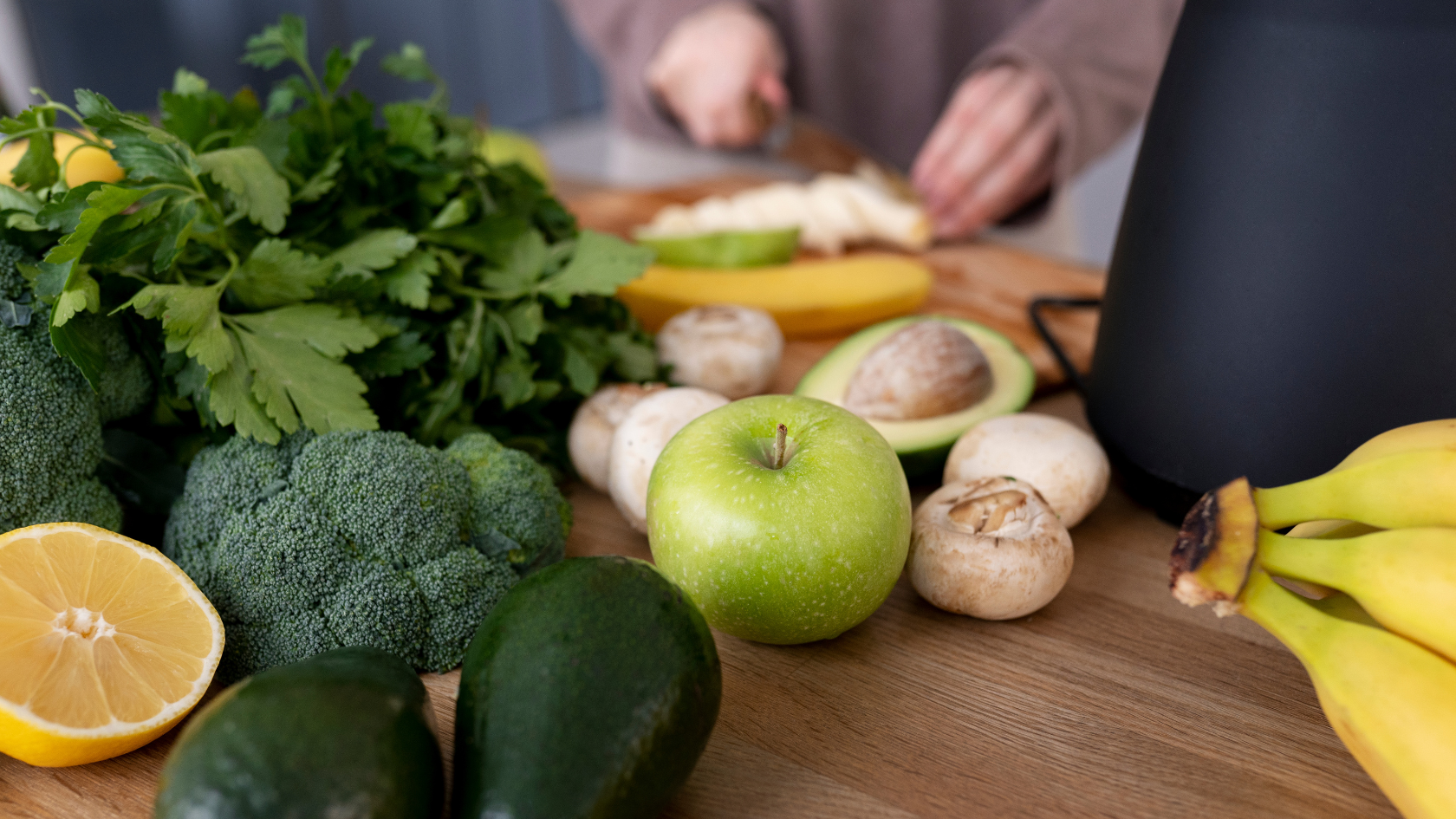
Why Belly Fat Is Stubborn
Before jumping into the best vegetables, it’s helpful to understand why belly fat hangs on longer than fat in other areas. It’s made up of visceral fat, which surrounds internal organs and responds differently to diet and exercise compared to subcutaneous fat (the kind under your skin). Visceral fat is more hormonally active. It releases cortisol and inflammatory molecules that can make weight loss harder.
It also reacts strongly to insulin so when your blood sugar spikes and crashes, your body tends to store more fat around the belly. That’s where vegetables come in. The right kinds; high in fiber, antioxidants, and water, help calm inflammation, stabilize blood sugar, and keep your digestive system running smoothly. Over time, this reduces total body fat, including around your core.
1. Leafy Greens: Nutrient-Dense and Naturally Slimming
Leafy greens are at the top of any list when it comes to what are the best vegetables to eat for weight loss and they’re especially powerful for reducing belly fat. Greens like spinach, kale, arugula, collard greens, and Swiss chard are loaded with fiber but incredibly low in calories. That means you can eat large amounts without going over your daily energy needs.
They also help regulate blood sugar, which is crucial for controlling belly fat storage. A study from the Harvard School of Public Health (2023) found that people who eat more leafy greens tend to have smaller waistlines and better long-term fat management. Spinach, for example, contains thylakoids, natural compounds that slow fat digestion and increase satiety (Appetite Journal, 2021).
Leafy greens also support your liver, which plays a big role in metabolizing fat. When the liver functions efficiently, it helps your body burn stored fat rather than hang onto it. Try adding a handful of spinach to your breakfast smoothie, tossing kale into soups, or using romaine as a base for salads. These small, daily habits help build consistency without feeling restrictive.
2. Cruciferous Vegetables: The Metabolic Boosters
Cruciferous vegetables like broccoli, cauliflower, cabbage, and Brussels sprouts are some of the most powerful fat-fighting foods you can eat. They’re packed with sulforaphane, a sulfur-rich compound that helps regulate fat metabolism and lower inflammation in the body. Sulforaphane may help your body produce more of the enzymes responsible for fat oxidation — in simple terms, that means it helps turn stored fat into usable energy.
It also improves insulin sensitivity, which can prevent the hormonal swings that encourage belly fat buildup (Journal of Nutritional Biochemistry, 2022). Cruciferous vegetables are also high in soluble fiber, which slows digestion and helps keep your gut microbiome balanced. A healthy gut supports weight loss by improving nutrient absorption and reducing cravings triggered by gut-brain signals.
For an easy habit, add roasted broccoli or cauliflower to dinners a few times a week, or shred cabbage into salads and stir-fries. The combination of fiber and plant compounds in these vegetables makes them a quiet but powerful ally against belly fat.
3. Root Vegetables: Fiber and Natural Sweetness for Control
Root vegetables like carrots, beets, radishes, and turnips often get overlooked in weight loss discussions, but they play an important role in managing belly fat. Their high fiber content slows digestion and keeps blood sugar stable, a key step in preventing midsection fat accumulation. Carrots and beets are rich in beta-carotene and nitrates, which support heart health and blood flow.
Better circulation means more oxygen reaches your muscles during exercise, improving fat burning. According to the Mayo Clinic (2024), diets that combine regular exercise with high-fiber foods (like root vegetables) result in significantly lower abdominal fat levels compared to low-fiber diets. These vegetables also help reduce cravings by keeping you full and steady between meals.
If you want to include them in your plan, roast carrots and beets with olive oil, blend them into soups, or grate them raw into salads for natural sweetness and crunch.
4. Water-Rich Vegetables: Beating Bloat and Retention
Sometimes belly fat isn’t just fat, it’s bloat. Processed foods, excess salt, and dehydration can cause your body to retain water, making your stomach look and feel larger. That’s why water-rich vegetables are so effective. Cucumbers, celery, zucchini, bell peppers, and tomatoes are all hydrating, low-calorie vegetables that help flush out excess sodium and reduce puffiness.
They’re also rich in electrolytes like potassium and magnesium, which balance fluids in the body and prevent bloating. Tomatoes, in particular, are high in lycopene, an antioxidant linked to lower inflammation and reduced fat cell growth around the abdomen (Nutrition & Metabolism Journal, 2023). Cucumbers and celery also contain apigenin, a plant compound that may help regulate cortisol, the stress hormone linked to belly fat.
By reducing inflammation and promoting hydration, these vegetables make your stomach feel flatter and more comfortable. Try eating water-rich vegetables raw in salads, blending them into smoothies, or adding them to soups for a light but satisfying meal.
5. Allium Vegetables: Garlic, Onions, and Leeks for Fat Control
Garlic and onions do more than flavor your food, they actually support belly fat reduction in subtle but powerful ways. Garlic contains allicin, a compound that helps regulate blood sugar and supports fat metabolism in the liver. Studies have shown that garlic extract can improve fat burning and reduce overall body fat in people with metabolic disorders (Clinical Nutrition, 2022).
Onions are high in quercetin, an antioxidant that helps reduce inflammation and improve circulation. Lower inflammation makes it easier for your body to use stored fat as energy instead of holding onto it. Adding garlic and onions to soups, stir-fries, and roasted vegetables gives you more flavor without extra calories and the health benefits go far beyond taste.
6. Chili Peppers: Turning Up the Heat on Fat Burning
Chili peppers might not be everyone’s favorite, but they’re worth mentioning for their metabolism-boosting effects. The active compound capsaicin slightly increases body temperature, which in turn raises energy expenditure, a process known as thermogenesis. Research published in the American Journal of Clinical Nutrition (2022) found that people who ate meals containing capsaicin burned slightly more calories and had reduced appetite compared to those who didn’t.
Over time, that small increase adds up. Capsaicin also helps regulate fat oxidation and improve fat breakdown, making it a natural helper for trimming belly fat. You don’t need much, even a pinch of chili powder, fresh pepper, or hot sauce can make a difference when added to soups, stews, or roasted veggies.
7. Why These Vegetables Work Together
Each of these vegetables works differently, but together they support the systems in your body that influence belly fat; digestion, hormones, inflammation, and hydration.
- Fiber keeps your gut healthy, slows digestion, and stabilizes blood sugar.
- Antioxidants reduce inflammation and protect cells from oxidative stress.
- Water content helps control bloating and supports kidney function.
- Natural compounds like sulforaphane, allicin, and capsaicin enhance fat metabolism.
When you combine them in daily meals; salads, soups, smoothies, and stir-fries, you’re giving your body everything it needs to gradually reduce fat around the belly while supporting overall wellness.
8. How Gut Health Affects Belly Fat
Recent research has shown a strong link between gut bacteria and abdominal fat storage. A balanced gut microbiome helps your body absorb nutrients efficiently and regulate inflammation, while an unhealthy one can lead to increased fat storage around the waistline. Vegetables high in prebiotic fiber like onions, leeks, asparagus, and artichokes, feed beneficial bacteria that improve digestion and reduce bloating.
These bacteria also produce short-chain fatty acids that support better fat metabolism. A study published in Nature Metabolism (2023) found that people who consumed more prebiotic-rich vegetables had less visceral fat and better insulin sensitivity than those who didn’t. So the more plant diversity you eat, the healthier your gut and the leaner your midsection will be.
9. Smart Eating Tips for a Flatter Stomach
- Eat vegetables at every meal. Don’t save them for dinner, start your day with spinach or kale in a smoothie.
- Mix fiber types. Combine soluble (broccoli, carrots) and insoluble (leafy greens, celery) fibers to promote healthy digestion.
- Limit processed foods. They spike insulin and cause inflammation that leads to belly fat buildup.
- Stay hydrated. Pair water-rich vegetables with plenty of water throughout the day to reduce bloating.
- Season smart. Use garlic, chili, and herbs to add flavor without added sugar or fat.
- Be patient. Real belly fat reduction takes consistency not restriction. Focus on eating better, not less.
10. The Science in Simple Terms
Belly fat thrives on inflammation, hormonal imbalance, and poor digestion, all things vegetables naturally help fix. Their fiber keeps your gut healthy. Their antioxidants lower stress inside the body. Their water helps flush out excess sodium and waste. This combination works quietly but steadily. Instead of “burning” belly fat directly, these vegetables make your body more efficient at using energy, controlling cravings, and maintaining steady blood sugar, all of which help your midsection slim down over time.
According to the European Journal of Nutrition (2024), people who consistently eat more vegetables (especially non-starchy kinds) have up to 20% lower visceral fat than those who eat less produce, even if their total calorie intake is similar.
Keto-Friendly Choices: Best Vegetables for Weight Loss Keto
If you’ve been following the ketogenic diet or thinking about starting one, you’ve probably realized that not all vegetables are created equal. Some are keto gold; light on carbs, heavy on nutrients, and perfect for keeping your body in fat-burning mode. Others can sneak you out of ketosis with just one serving. That’s because keto is built around one simple rule: keep carbs low enough for your body to use fat as its main source of energy.
When carbs are limited, your liver turns fat into ketones, which your body uses for fuel. But since vegetables naturally contain carbohydrates, knowing which ones fit the plan is key to success. If you’re asking what are the best vegetables to eat for weight loss on keto, the answer lies in balance, vegetables that are low in net carbs (total carbs minus fiber), high in nutrients, and versatile enough to make your meals interesting.
When chosen wisely, vegetables can actually make keto easier, tastier, and more sustainable for the long term.
Why Vegetables Matter So Much on Keto
It’s easy to think keto is all about meat, cheese, and butter. And yes, healthy fats play a big role. But vegetables bring something keto can’t work without; fiber, electrolytes, and micronutrients. Fiber keeps digestion smooth and supports gut bacteria, which can suffer if you cut out too many carbs. Electrolytes like potassium and magnesium prevent muscle cramps and the dreaded “keto flu.”
And micronutrients (like vitamins A, C, and K) help your body stay strong and energized while it adjusts to burning fat instead of glucose. Without enough vegetables, a keto diet can feel heavy, lead to nutrient gaps, and slow down fat loss. The right vegetables keep your metabolism efficient, your energy steady, and your meals balanced.
According to the Mayo Clinic (2024), incorporating low-carb vegetables into a ketogenic diet improves long-term adherence, helps manage cholesterol, and supports sustainable weight loss, not just quick water loss.
1. Leafy Greens: The Foundation of a Keto Plate
If keto had a food pyramid, leafy greens would sit at the base. They’re low in carbs, full of fiber, and provide essential vitamins your body needs to burn fat efficiently.
Top leafy greens for keto:
- Spinach: About 1 gram of net carbs per cup. It’s rich in iron and magnesium — two minerals that boost energy and reduce fatigue. Spinach is also high in thylakoids, compounds that may help suppress appetite.
- Kale: Slightly higher in fiber and texture, kale is full of antioxidants like lutein and quercetin, which help combat inflammation from fat metabolism.
- Romaine lettuce: Crisp, hydrating, and perfect for wraps or salads when you need a low-calorie base.
- Arugula: Adds a peppery, fresh flavor that pairs perfectly with creamy keto dressings and healthy fats.
Leafy greens are the simplest way to add bulk to your meals without adding carbs. Use them in omelets, salads, soups, or smoothies. And because they’re high in potassium and water, they help replace the electrolytes your body loses when transitioning into ketosis.
2. Cruciferous Vegetables: The Keto Powerhouses
Cruciferous vegetables are a staple in any healthy weight loss plan and they’re perfectly suited for keto. They’re high in fiber, low in net carbs, and rich in plant compounds that help your liver metabolize fat efficiently.
Examples: Broccoli, cauliflower, Brussels sprouts, bok choy, and cabbage.
Why they work:
These vegetables contain sulforaphane, a natural compound shown to support detoxification and fat metabolism (Journal of Nutritional Biochemistry, 2022). They also promote satiety, that “full” feeling that keeps you from overeating. Cauliflower deserves special mention. It’s the ultimate keto swap, you can turn it into rice, mash, pizza crust, or even “mac and cheese.”
A cup of cauliflower has only 3 grams of net carbs but offers fiber and vitamin C to support immunity and digestion. Broccoli and Brussels sprouts are slightly higher in carbs, but their fiber offsets most of it. A serving or two per day adds structure to your meals without spiking your blood sugar.
3. Above-Ground Vegetables: Keto’s Low-Carb Heroes
A simple rule for keto: if it grows above ground, it’s usually lower in carbs. That’s why vegetables like zucchini, cucumber, celery, peppers, and mushrooms are staples for anyone eating keto and aiming for weight loss.
- Zucchini: About 2 net carbs per cup. Great for “zoodles,” casseroles, or adding moisture to baked dishes.
- Cucumber: Over 95% water and almost carb-free. Helps with hydration and digestion.
- Celery: Refreshing, low-carb, and rich in antioxidants that support liver function.
- Bell peppers: Slightly sweet but still low in net carbs. Red and yellow peppers are higher in vitamin C than oranges, important for fat metabolism.
- Mushrooms: Technically fungi, but one of the best keto ingredients. They’re filling, savory, and high in beta-glucans, which support immune health and gut balance.
These vegetables also help fight inflammation and provide natural hydration, making them perfect for keeping energy levels up during keto adaptation.
4. Fermented Vegetables: Balancing Gut Health on Keto
One side effect of keto is that it can shift your gut bacteria. When carbs go down, fiber diversity often does too and that can cause bloating or constipation. Fermented vegetables like sauerkraut, kimchi, and pickled cucumbers help restore balance. They’re packed with probiotics, which feed the good bacteria in your gut. A balanced microbiome improves digestion, reduces cravings, and may even boost your fat-burning potential.
A 2023 study in Nature Metabolism found that diets rich in fermented vegetables improve insulin sensitivity and fat oxidation, both key factors for losing belly fat and maintaining steady energy. Add a spoonful of kimchi to scrambled eggs, toss sauerkraut into salads, or enjoy pickles with cheese or cold cuts for a satisfying, probiotic boost.
5. Avocado: Keto’s Perfect Fat-and-Fiber Combo
Avocado isn’t technically a vegetable, but it’s so important for keto that it deserves its own spotlight. It’s one of the most nutrient-dense, low-carb foods on the planet, rich in healthy monounsaturated fats, fiber, and potassium. Half an avocado has only 2 grams of net carbs and 7 grams of fiber, making it ideal for supporting digestion and keeping you full for hours.
The Journal of the American Heart Association (2022) reports that adding one avocado per day improves heart health and supports a healthy waistline. For keto eaters, avocados also help prevent dehydration and “keto flu” by restoring lost electrolytes. Use avocado in everything: blend it into smoothies, mash it into guacamole, or slice it over salads and eggs. It’s one of the most efficient ways to stay full without spiking your carb count.
6. Keto Vegetables to Limit or Avoid
While most vegetables fit in moderation, some are too high in carbs to be considered keto-friendly. These include starchy vegetables that grow below ground, which are higher in sugar and starch.
Avoid or limit:
- Potatoes (white, red, or sweet)
- Corn
- Peas
- Carrots (in large portions)
- Beets and parsnips
If you crave something hearty, turnips or rutabagas are better options, they have fewer carbs and can mimic potatoes in soups and roasted dishes.
7. Building Balanced Keto Meals with Vegetables
Even on keto, balance matters. Vegetables should make up about half your plate, paired with quality fats and moderate protein. Here’s a simple template for building keto meals that promote weight loss and taste amazing:
- Breakfast: Spinach omelet with avocado and sautéed mushrooms.
- Lunch: Grilled chicken Caesar salad with kale, romaine, and olive oil dressing.
- Dinner: Cauliflower rice stir-fry with broccoli, zucchini, and sesame oil.
- Snack: Celery sticks with almond butter or cream cheese.
These meals combine high-fiber vegetables with healthy fats and proteins, the combination that keeps you full, balanced, and in ketosis longer.
8. Why Keto + Vegetables = Long-Term Success
One of the biggest mistakes people make on keto is avoiding vegetables out of fear of carbs. But without vegetables, the diet can quickly become nutrient-deficient and unsustainable. Vegetables help regulate digestion, prevent fatigue, and make meals more satisfying. They also protect your heart and liver from oxidative stress that can come from metabolizing more fats.
The Cleveland Clinic (2024) notes that low-carb diets rich in non-starchy vegetables show better long-term results, not just for weight loss, but for maintaining metabolic health and lowering inflammation. Simply put: vegetables make keto work better. They balance the heavy fats, keep your body alkaline, and ensure you’re not missing out on vital nutrients.
9. Practical Keto Vegetable Tips
- Stick to above-ground vegetables. They’re almost always lower in carbs.
- Use fat to your advantage. Pair vegetables with olive oil, butter, or avocado oil to boost absorption of fat-soluble vitamins (A, D, E, and K).
- Don’t overcook. Lightly steam, sauté, or roast vegetables to keep nutrients intact.
- Watch sauces. Dressings and stir-fry sauces can sneak in sugar — stick to homemade or unsweetened versions.
- Prep ahead. Wash, chop, and portion vegetables at the start of the week to make keto meals easy.
Go Green, Stay in Ketosis
Conclusion: Embracing Vegetables for Holistic Weight Loss
Losing weight isn’t about cutting out everything you enjoy or following the newest food trend. It’s about balance, and vegetables help you get there. They’re affordable, easy to prepare, and packed with nutrients your body needs without adding extra calories. If your goal is to lose weight, have more energy, or simply feel better, vegetables should be part of your meals every day.
Different kinds do different things. Leafy greens like spinach and kale help you stay full and energized. Broccoli, cauliflower, and cabbage support digestion and metabolism. Carrots, beets, zucchini, and cucumbers add crunch, flavor, and hydration. No single vegetable does it all, but eating a mix of colors and types gives your body fiber for fullness, antioxidants for recovery, and vitamins for balance.
Vegetables also do more than help you lose weight. They improve gut health, support hormones, and give your skin and heart what they need to stay healthy. You can eat them any way you like—roasted, blended, in soups, or raw. They fit easily into any diet plan, from keto to juicing. Real weight loss comes from small habits you can stick to. Vegetables make that easier.
They let you eat more, feel better, and fuel your body the right way. So instead of thinking of them as “diet food,” think of them as your everyday support. When you build meals around real food, you don’t just lose weight, you gain health, energy, and balance that lasts.
Frequently Asked Questions
The best vegetables for weight loss are spinach, kale, broccoli, cauliflower, zucchini, bell peppers, and cabbage. They’re low in calories, high in fiber, and packed with nutrients that keep you full longer.
Yes, green vegetables help you lose weight faster because they’re nutrient-dense and low in calories. They add volume to your meals, curb hunger, and support healthy digestion and fat metabolism.
Spinach is the top choice for weight loss because it’s rich in fiber and low in calories. It also contains compounds that help control appetite and support steady energy levels.
Blend mild veggies like spinach, zucchini, or cucumber with fruits like banana or berries. They boost nutrition while keeping your smoothie light, creamy, and naturally sweet.
Starchy vegetables like potatoes, corn, and peas should be eaten in moderation if you’re watching carbs. They’re still healthy but higher in calories compared to leafy or cruciferous vegetables.
Aim for at least 2 to 3 cups of vegetables each day. Mixing different types ensures you get fiber, vitamins, and minerals that support steady fat loss.
Both are effective — raw vegetables are lower in calories, while cooked ones are easier to digest. The best approach is to include a mix of both for balance and variety.
Vegetable juices can be helpful if they’re low in sugar and made from greens like kale or cucumber. Just remember to keep the pulp or fiber whenever possible to stay full longer.
Light, low-carb options like spinach, zucchini, and broccoli are great for dinner. They digest easily, reduce bloating, and help you feel full without adding excess calories.
Yes, frozen vegetables are just as healthy as fresh ones. They’re picked at peak ripeness, retain nutrients, and make it easier to stick to a weight loss plan.