
Fruits can help with weight loss because most of them are low in calories and high in water and fiber. These things make you feel full without eating too much. Whole fruits are also better than processed snacks that usually have added sugar and unhealthy fats. Swapping those snacks for fruit can help you manage your weight over time.
Fruit is not only about weight. Eating fruit often is linked to better heart health, better digestion, and steadier blood sugar levels. It helps more when you eat it as whole fruit and not as juice or desserts with added sugar. Choosing fruit instead of highly processed food can also lower your total daily calories and make your meals healthier.
In this article, you will learn which fruits can support weight loss and why some choices work better than others. Not all fruits are the same. Some have more fiber. Some keep you full longer. Some are very low in calories but still taste sweet. When you know which fruits help with fullness and steady energy, you can use them as a simple tool instead of guessing or following strict diets.
Key Takeaways
- Whole fruits help weight loss by being low in calories, high in water and fiber, and replacing processed snacks with something more filling.
- Berries—especially blueberries—stand out thanks to low energy density, solid fiber, and polyphenols that support blood sugar stability and satiety.
- Fruits like apples, pears, citrus, kiwi and melons add volume, fiber and hydration without high calories—use them to stay full while managing calorie intake.
- Higher-sugar or calorie-dense fruits (bananas, grapes, mangoes) and dried fruits demand portion control; they fit but should replace other carbs, not sit on top.
- Timing and context matter: eat fruit before meals or as a snack instead of sweets, focus on whole fruit over juice, and pair with protein/fiber for best results.
Table of Contents

The Top Fruit for Weight Loss Success
Apples are a good place to start when looking for a fruit that helps with weight loss. A 100 gram serving of raw apple with the skin has about 52 calories. It also gives you water, fiber, and small amounts of vitamins. A medium apple has around 4 to 5 grams of fiber, which already covers a good part of your daily fiber needs. So you get a filling snack without using many calories.
The low calorie count is only part of it. Apples are low in energy density. This means you get fewer calories for the weight of the food you eat. Studies show that low energy dense foods like fruit help people feel full while taking in fewer calories. This helps when you want to lose weight but still want normal sized meals. If you want a fruit that lines up with what research says about fullness, apples match that. They give you a lot of volume for not a lot of calories.
The main reason apples help you feel full is fiber, especially pectin. Pectin is a soluble fiber found in the skin and flesh. It absorbs water in your gut and forms a gel-like texture. This slows digestion and helps steady your blood sugar. When your blood sugar is steady, you usually deal with fewer cravings. That can make it easier to avoid chips or sweets.
There is also research that looks at apples and fullness on their own. In one well known study, people ate apples in different forms before a meal. Some ate whole apples, some had applesauce, and some drank apple juice. The calories and serving sizes were matched. People who ate the whole apple felt the fullest and ate fewer calories at the next meal compared with the applesauce or juice.
Apples also fit easily into a calorie controlled diet. You do not need a special plan to use them. You can:
- Eat a whole apple 10 to 15 minutes before lunch or dinner to take the edge off your hunger.
- Swap your afternoon pastry for an apple plus a few nuts.
- Add sliced apple to oats or yogurt instead of extra sugar.
Small changes like these help you replace higher calorie, low fiber snacks. Over time, this can lower your daily calorie intake without feeling hungry all day.
Apples also affect blood sugar in a useful way. They contain natural sugar, but because they have fiber and water, they do not spike your blood sugar the same way as candy or juice. The soluble fiber slows how fast sugar enters the blood. This can help prevent sudden highs and lows that often trigger cravings.
Of course, apples are not a magic solution. No fruit burns fat on its own. Weight loss still depends on a calorie deficit, enough protein, movement, and habits you can keep up. But apples are practical. They are cheap, easy to find, simple to pack, and they can replace many high calorie snacks without much effort. This is why apples are often the first suggestion when people ask what fruit helps with weight loss.
They are low in calories, high in fiber, and help control appetite. When you use them as part of a balanced diet, they can help you feel full, eat less, and stay on track.
A Close Second: Another Fruit Champion for Shedding Pounds
If apples feel like the obvious answer to what fruit helps with weight loss, blueberries are right behind them. They’re small, sweet, and surprisingly powerful when you look at what they bring to a weight loss plan and your metabolic health. A 100-gram serving of fresh blueberries has about 57 calories, around 14 grams of carbs, and about 2.4 grams of fiber, along with vitamin C, vitamin K, and manganese.
So you get a decent snack or topping that adds sweetness and volume without blowing up your calorie budget. When someone asks what fruit is best for weight loss?, that low calorie count plus fiber is exactly the combo you want.
Why blueberries work when you care about your weight
Fiber is one big reason blueberries belong in any list of what fruit helps with weight loss. The fiber in berries slows digestion, helps you feel full, and supports steadier blood sugar. Reviews on fruit and vegetable intake link higher fiber foods with better satiety and lower total energy intake across the day. That means a bowl of yogurt with blueberries will usually keep you going longer than the same calories of sugary cereal or a pastry.
Blueberries are also packed with anthocyanins, a type of antioxidant that gives them their deep blue color. A recent review on anthocyanin-rich berries points out that these compounds may help with several metabolic problems tied to obesity, like insulin resistance, high blood pressure, and abnormal blood fats.
Another meta-analysis of anthocyanin trials found that supplements or foods rich in these pigments can improve markers like blood sugar and blood lipids in people with metabolic risk factors. In plain terms: blueberries don’t just sit in your bowl looking pretty. Over time, they may help your body handle carbs and fats better, which supports weight control.
That’s a big plus when you’re asking what fruit is best for weight loss? and you’re also thinking about long-term health.
Blueberries and metabolic health
Dietitians often call blueberries one of the top fruits for metabolic health because they are low in calories, have a low glycemic index, and come with a strong mix of polyphenols and fiber. Clinical trials in people with type 2 diabetes and those at risk for it suggest that regular blueberry intake can improve insulin sensitivity, blood pressure, and other cardiometabolic markers.
Why does that matter for weight loss? When your body responds better to insulin and your blood sugar is more stable, you usually have:
- Fewer big energy crashes
- Less intense “I need sugar right now” cravings
- An easier time sticking with a calorie deficit
So when you think about what fruit helps with weight loss, it’s not only about today’s snack. It’s also about how that fruit shapes your hunger, cravings, and health over months and years.
Do berries actually help you eat less?
There’s also direct snack data that makes blueberries and other berries look smart for weight management. In one experiment, women had either a mixed berry snack or a candy snack with the same calories. At the meal that followed, the candy group ate about 20% more energy than the berry group. In another study, eating fruit before a meal led to higher satiety scores and about 18.5% fewer calories at the next meal.
So if you swap your afternoon chocolate bar for a bowl of blueberries or mixed berries, you’re not just changing “junk food” for “healthy food.” The research suggests that this kind of swap can trim your total daily calories in a way that feels pretty natural. That’s exactly the kind of trick you want when you’re wondering what fruit is best for weight loss?
How to use blueberries in a real-life weight loss plan
Here are simple, realistic ways to lean on blueberries when you’re building your own plan around what fruit helps with weight loss:
- Breakfast upgrade:
Add a handful of fresh or frozen blueberries to plain Greek yogurt or oats instead of using flavored yogurt, sugar, or syrup. You get sweetness, fiber, and antioxidants without extra refined sugar. - Snack swap:
Keep washed blueberries in the fridge or a bag of frozen blueberries in the freezer. Use them as your “sweet snack” instead of cookies or candy. You can pair them with a small handful of nuts for extra staying power. - Dessert swap:
After dinner, try a small bowl of blueberries with yogurt or a sprinkle of granola in place of ice cream or cake. It still feels like dessert, but the calorie load and sugar hit are much lower. - Pre-meal strategy:
Have a small bowl of berries 15–20 minutes before a big meal if you tend to overeat. As the research shows, a fruit snack before a meal can reduce how much you eat later.
Clearing up worries about sugar in blueberries
A lot of people worry that fruit sugar will stall fat loss. This is where context matters. Blueberries do contain natural sugar, but they’re also low in overall calories, high in water, and come with fiber and polyphenols that slow how fast that sugar hits your blood. Health overviews note that blueberries have a relatively low glycemic index and don’t spike blood sugar like sweets or juice.
So if you’re comparing what fruit helps with weight loss to things like candy bars, pastries, or sweetened drinks, blueberries are a clear win. The main time you’d need to be more careful is if you have a specific medical condition and your doctor or dietitian has given you strict carb rules.
Ready to Start Your Weight Loss Journey?
Fruits to Limit: Making Informed Choices for Your Diet
A common follow up to what fruit helps with weight loss is which fruits you should avoid. This is where people get confused. Fruit is healthy, but it also has sugar, so some assume they should cut it out completely. That all or nothing thinking makes weight loss harder. Here’s the truth: whole fruit is not the problem. You don’t need to be scared of it.
But different fruits affect your calorie intake in different ways. Some fruits are low in calories and high in fiber and water. These help with weight loss because they fill you up. Other fruits have more calories or are easy to overeat, especially when dried or turned into juice. These are worth limiting, not banning.
It also helps to look at the bigger picture. One banana will not ruin your progress if you are eating balanced meals overall. But several bananas, a big bowl of grapes, and a couple of glasses of fruit juice on top of an already heavy day can slow things down. So when you ask which fruits to avoid, what you really need is a list of fruits to watch more closely and tips on how to eat them without going over your calorie needs.
This section explains fruits that are higher in natural sugar or calories and how they can affect your progress if you eat them in large amounts.
Higher-sugar fresh fruits: focus on portions, not fear
Some fruits are more calorie-dense than others. They still have benefits, but big servings every day can slow fat loss if you’re not counting them.
Bananas
- About 100 g of ripe banana has around 89 calories, about 23 g of carbs, and roughly 2–3 g of fiber.
- A medium banana is roughly 105 calories.
Bananas are great for quick energy and potassium, but if you eat two or three on top of your usual meals, that’s an extra 200–300 calories without much volume. For weight loss, one banana a day is usually enough, and you can pair it with protein (like yogurt or eggs) so it keeps you full.
Grapes
- About 100 g of grapes has around 69–80 calories and close to 18–19 g of carbs. Fiber is low.
Grapes are easy to “graze” on straight from the bag. The problem is not the fruit itself. It’s mindless eating. A couple of small handfuls is fine. A huge bowl in front of the TV most nights can quietly add hundreds of calories.
Mangoes
- Roughly 100 g of mango has about 60–65 calories and around 15 g of carbs, with a bit of fiber.
- One cup of mango pieces (about 165 g) gives around 99 calories, 2–3 g fiber, and a big dose of vitamin C.
Mango can actually support blood sugar control and diet quality when it replaces processed sweets, as long as you watch your portion. The issue is big bowls of very ripe mango on top of an already high-calorie diet.
How to handle these fruits in a weight-loss plan:
- Keep portions modest (one banana, one small cup of grapes, one small serving of mango).
- Treat them as carb sources, not “free” foods.
- Balance them with lower-sugar, higher-fiber fruits like berries, apples, pears, citrus, and kiwi for the rest of the day.
You can still focus on what fruit helps with weight loss and enjoy these. You just don’t want them to crowd out the lighter options.
Dried fruit: tiny volume, big calories
Dried fruit is where “which fruits should be avoided for weight loss?” becomes a real concern. The water has been removed, so sugar and calories are packed into a very small bite.
- Fresh apples have about 10 g of sugar per 100 g. The same amount of dried apples has about 57 g of sugar.
- Raisins (dried grapes) have around 299 calories and about 79 g of carbs per 100 g, with roughly 75 g net carbs.
Because of that, dietitians often use dried fruit as a tool for weight gain, not weight loss. Articles aimed at people trying to gain weight highlight dried fruit as a high-calorie, easy way to reach a calorie surplus. That doesn’t mean you must avoid dried fruit forever. It just means:
- Use small amounts (a tablespoon or two in oatmeal or yogurt).
- Pick brands without added sugar or syrup.
- Count it like you would count candy or other concentrated carbs.
If your priority is what fruit helps with weight loss, fresh or frozen whole fruit should be your main choice, and dried fruit should stay in the “sprinkle, not a bowl” category.
Fruit juice and “healthy” smoothie traps
Fruit juice sounds like it should help. It’s still “fruit,” right? The issue is that juicing strips out almost all the fiber and turns the natural sugar into free sugar that hits your system faster. Recent systematic reviews and meta-analyses found that:
- Higher intake of 100% fruit juice is linked with small but real weight gain in children over time.
- Juice is less filling than whole fruit and doesn’t control appetite as well.
A small glass (120–150 ml) of 100% juice can have 60–80 calories and 15–20 g sugar with almost no fiber. That’s fine once in a while, but if you drink large glasses daily, it starts working against your weight goals. Smoothies are a bit better because you usually blend the whole fruit, so some fiber remains. But they can still turn into a calorie bomb if you add juice, sweetened yogurt, honey, nut butters, and multiple fruits at once.
If you care about what fruit helps with weight loss, a simple rule is:
- Eat your fruit chewed, not sipped, most of the time.
- Keep juice portions small and count them as carbs, not a “free health drink.”
Build smoothies around one piece of fruit, a protein source (yogurt, protein powder), and unsweetened liquid.
High-fat fruits: avocado and coconut
Avocado and coconut are technically fruits, but your body treats them more like fats than like light, watery fruits. Avocado is nutrient-dense and high in fiber and healthy fats. One article notes avocado is a “medium energy-dense fruit” with about 1.7 kcal per gram and a good amount of monounsaturated fat. That’s great for fullness and heart health, but it also means the calories stack up quickly.
For a plan built around what fruit helps with weight loss:
- Think of avocado as a fat source like olive oil or nuts.
- Use ¼–½ avocado instead of mayonnaise, creamy dressings, or butter, not on top of them.
Coconut (especially dried coconut flakes) is similar. It can fit, but treat it like a high-calorie fat, not a light fruit.
The Ultimate Fruit for Your Weight Loss Plate
A lot of people want one clear answer to “what is the best fruit to eat for weight loss?” If we’re being honest, there isn’t a single magic fruit. But if you look at calories, fiber, blood sugar, and long-term health, one group stands out more than most: berries, especially blueberries. Berries are low in calories, high in fiber, and rich in plant compounds called polyphenols.
Most common berries (strawberries, blueberries, raspberries, blackberries) give you a lot of volume for not many calories, which is exactly what you want when you care about what fruit helps with weight loss.
Why berries are such a strong answer
When you ask what is the best fruit to eat for weight loss, you’re really asking for a fruit that:
- Fills you up
- Doesn’t blow up your calorie budget
- Is gentle on blood sugar
- Supports your metabolism over time
Berries check each of those boxes. They’re low in energy density, which means fewer calories per gram of food. Research on low-energy-dense diets shows that when people eat more foods like fruit and vegetables, they often feel just as full while taking in fewer calories. That’s a big deal if you want to eat normal-sized meals and still lose weight.
Most berries also bring a decent amount of fiber, which slows digestion and helps control hunger. High-fiber fruits are one reason why higher fruit intake is linked with less long-term weight gain in large population studies. So when you use berries as your main answer to what fruit helps with weight loss, you’re lining up with what the data actually shows.
Blueberries, blood sugar, and metabolic health
Blueberries deserve a special shout-out. They’re one of the best-studied berries when it comes to metabolic health, which is part of why many experts lean on them when asked what is the best fruit to eat for weight loss. In a six-month randomized controlled trial in adults with metabolic syndrome, daily blueberry intake improved insulin resistance and markers of blood vessel function compared with a placebo powder.
Other trials using blueberry or mixed-berry products in people at risk for diabetes and heart disease also show improvements in insulin sensitivity and some blood lipid markers. These effects are largely tied to anthocyanins, the blue-purple pigments in blueberries and other dark berries. A systematic review and meta-analysis of anthocyanin-rich berries found that these compounds can improve several cardiovascular risk markers and support better vascular function.
In everyday language: your body may handle carbs and fats more smoothly when foods like blueberries show up in your diet often.
For weight loss, that matters. Better insulin sensitivity and steadier blood sugar can mean:
- Fewer energy crashes
- Fewer sudden sugar cravings
- An easier time staying in a calorie deficit
So when you put what fruit helps with weight loss and “what supports my metabolism” in the same question, blueberries sit near the top of the list.
What about blood sugar and glycemic index?
Many people think the sugar in fruit will spike their blood sugar and slow down fat loss. The truth is more balanced. Fruit has natural sugar, but different fruits affect your body in different ways. Glycemic index charts show that most berries have a low GI.
This means they raise blood sugar slowly compared with many other carb heavy foods. Blueberries, strawberries, raspberries, and blackberries all fall on the lower end of the GI scale. This is even more true when you look at normal serving sizes and the overall glycemic load. But this doesn’t mean you should eat endless bowls of berries.
It means they are a good option if you want something sweet while watching your weight and your blood sugar. When people ask what fruit is best for weight loss and also worry about blood sugar, many dietitians usually start with low GI fruits like berries.
How to use this “ultimate fruit” on your plate
You don’t need a complicated berry plan. You just want berries to replace higher-calorie, lower-fiber sweets and toppings. Here are simple ways to do that:
- Breakfast swap
- Add a handful of blueberries or mixed berries to plain Greek yogurt instead of flavored yogurt or sugary granola.
- Stir berries into oatmeal instead of syrup, sugar, or chocolate chips.
- Snack strategy
- Keep fresh or frozen berries on hand. Use a small bowl of berries as your “sweet” snack instead of candy, cookies, or pastries.
- Pair berries with a protein source like yogurt, cottage cheese, or a boiled egg to stay full longer.
- Dessert shift
- After dinner, go for “berries plus yogurt” or “berries plus a little dark chocolate” instead of ice cream, cake, or pies.
- Build a simple fruit bowl where berries are the base, and higher-sugar fruits like mango sit more in the “topping” role.
- Pre-meal trick
- Have a small bowl of berries 10–15 minutes before a big meal. Low-energy-dense foods before a meal can help reduce how many calories you eat overall without making you feel deprived.
- Have a small bowl of berries 10–15 minutes before a big meal. Low-energy-dense foods before a meal can help reduce how many calories you eat overall without making you feel deprived.
These moves take the idea of what fruit helps with weight loss and turn it into something you can actually do every day.
Berries vs. other fruits: why they stand out
To be clear, lots of fruits are helpful: apples, pears, citrus, kiwi, and melons all fit into a solid weight loss plan. Large cohort studies show that higher fruit intake in general is linked with less weight gain and lower risk of overweight or obesity over time.
Berries just bring a very tight package:
- Low to moderate calories
- Meaningful fiber
- Low glycemic impact
- High anthocyanin and polyphenol content
- Good data for insulin sensitivity and cardiometabolic health
That’s why, if you want a simple, honest answer to what is the best fruit to eat for weight loss, “berries, especially blueberries” is hard to argue with. They make it easier to eat fewer calories, keep you satisfied, and support the parts of your metabolism that matter for long-term weight control.
Try One Fruit Change Today
A Variety of Fruits for Maximum Weight Loss Benefits
When you ask what are the best fruits to eat for weight loss, you’re not really looking for just one fruit. You’re looking for a mix that keeps you full, fits your calories, and actually feels doable in real life. Different fruits bring different strengths. Some are fiber-heavy. Some are very low in calories per bite. Others help digestion or support blood sugar and metabolism.
Research on low–energy density foods (foods with a lot of water and fiber but not many calories) shows they help people feel satisfied while eating fewer calories overall. Fruits sit in that category, along with vegetables and broth-based soups, and they can be useful tools when you care about what fruit helps with weight loss and want to keep hunger in check.
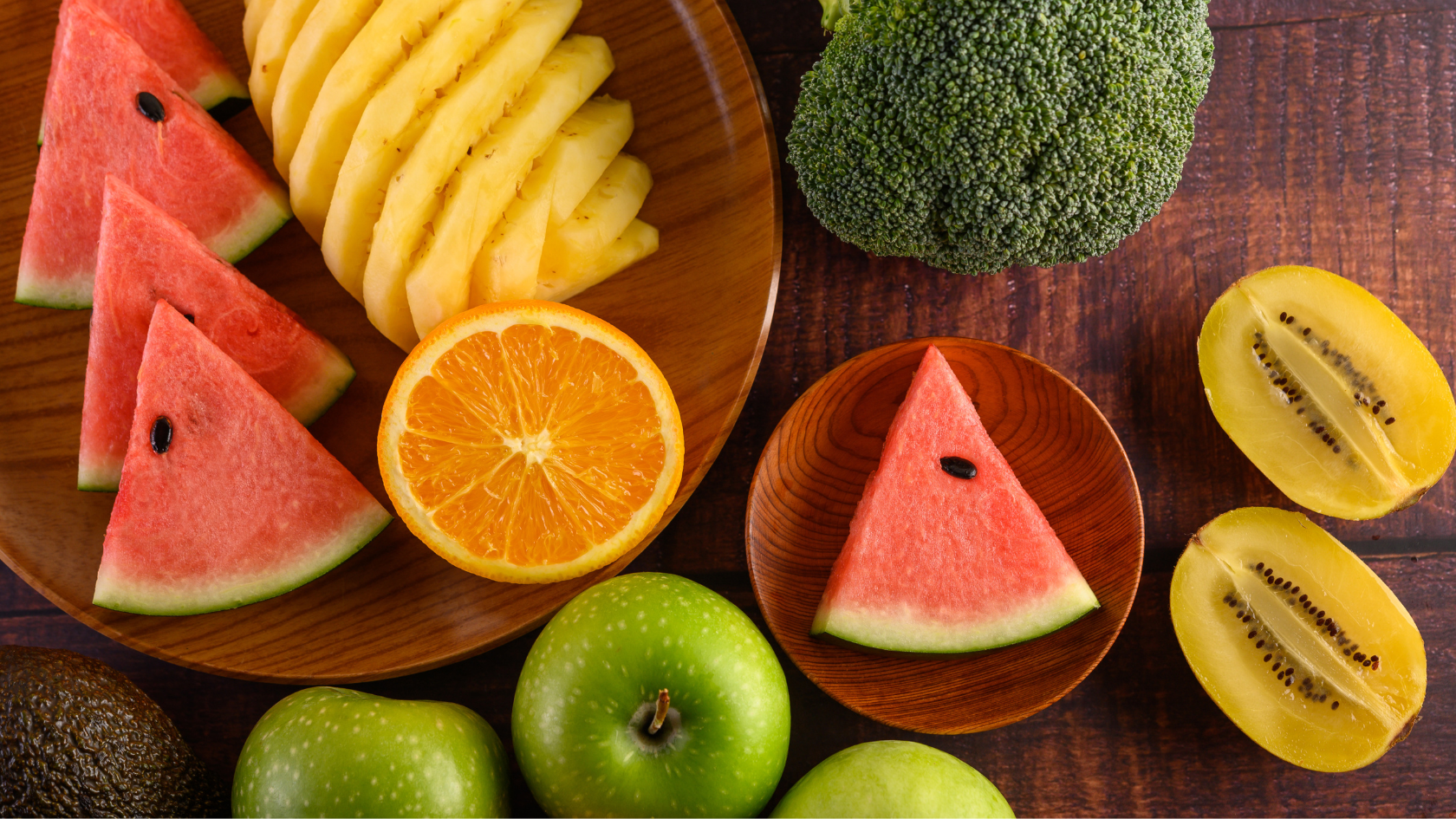
1. Apples and Pears – Fiber Workhorses
If someone asks you what are the best fruits to eat for weight loss, apples and pears deserve an early mention. They give you a lot of chew and fiber for their calories.
- A medium apple is about 95 calories with roughly 4–4.5 grams of fiber.
- A medium pear is around 100 calories with about 5–6 grams of fiber.
And that fiber matters because it slows digestion, improves satiety, and supports gut health. Reviews of apple intake also point to benefits for metabolic and cardiovascular markers, not just digestion.
How to use them when you care about what fruit helps with weight loss:
- Eat a whole apple or pear 10–15 minutes before a main meal to “take the edge off” your hunger.
- Slice one into oats or yogurt instead of adding sugar or flavored syrups.
- Pair with a small portion of nuts or yogurt so you get both fiber and protein.
These fruits are simple, cheap, and easy to carry, which makes them realistic daily tools rather than “superfoods” you read about and never buy.
2. Berries – Low-Calorie, Antioxidant All-Rounders
Berries sit at the center of most honest answers to what are the best fruits to eat for weight loss. Strawberries, blueberries, raspberries, and blackberries are all low in calories for the volume you get and bring a solid amount of fiber and polyphenols.
Human studies and reviews link berry intake with better cardiometabolic health, including improvements in blood lipids, blood pressure, and insulin sensitivity in people with metabolic issues. That makes them useful when you care about your weight and your long-term health at the same time.
Why berries work well in a plan built around what fruit helps with weight loss:
- Low energy density: lots of food volume, not many calories.
- Fiber: helps with fullness and may reduce total calorie intake at follow-up meals.
- Lower glycemic impact: they tend to raise blood sugar more gently than many sweets and juices.
Practical uses:
- Add a handful to plain Greek yogurt, oats, or cottage cheese.
- Use frozen berries as a dessert base instead of ice cream.
- Snack on berries in the afternoon instead of candy or cookies.
If you want one habit that lines up with what are the best fruits to eat for weight loss, “a daily serving of mixed berries” is a solid call.
3. Citrus Fruits – Hydrating and Light
Oranges, mandarins, and grapefruit are also strong candidates when you think about what are the best fruits to eat for weight loss. They’re high in water, give some fiber, and pack vitamin C and other micronutrients for relatively few calories. This fits the low–energy density idea that underpins a lot of weight management research: more food weight, fewer calories.
Why citrus helps:
- You get a good portion size for not many calories.
- Peeling an orange or grapefruit forces you to slow down, which can help with mindful eating.
- Grapefruit, in particular, has been studied in calorie-controlled diets with modest weight-related benefits, though nothing dramatic.
Tips:
- Choose the whole fruit over juice most of the time. You get more fiber and better satiety.
- If you take medicines (like certain statins or blood pressure drugs), check with your doctor before eating grapefruit often, since it can interact with some drugs.
4. Kiwi – Gut Support and Gentle Satiety
Kiwi doesn’t always show up on big lists, but it should. It’s often used in studies on digestion and gut comfort. In a 2023 international randomized controlled trial, adults with constipation or IBS-C who ate two green kiwifruits per day had more complete bowel movements and better abdominal comfort compared with psyllium. Regular digestion makes it easier to stick to a routine and notice what actually works for you.
Kiwi brings fiber plus an enzyme (actinidin) that may help break down protein and support digestion. You also get vitamin C and other nutrients in a small, easy-to-eat fruit. That makes kiwi a quiet but useful pick when you think about what are the best fruits to eat for weight loss, especially if you deal with bloating or constipation.
Easy ideas:
- Slice kiwi over yogurt or oats in the morning.
- Eat one or two kiwis as a mid-morning snack in place of crackers or sweets.
5. Melons and Watermelon – High Volume, Low Calories
Melons like watermelon, cantaloupe, and honeydew are mostly water. That’s good news when you want to eat big portions without going heavy on calories.
Why melons help a plan based on what fruit helps with weight loss:
- They’re easy to use as a dessert swap.
- They hydrate you, which can sometimes reduce “fake hunger” that’s really thirst.
- They give you a large portion for relatively low calories, which many people find comforting on a diet.
Note: Melons are not as fiber-rich as apples or pears. So they work best alongside higher-fiber fruits instead of replacing them completely.
6. Stone Fruits and “Scary” Fruits – Smart Moderation
Stone fruits like peaches, plums, and apricots are often overlooked but can be part of what are the best fruits to eat for weight loss. They provide fiber, vitamins, and a sweet taste in modest calorie portions. Then there are the fruits people are told to fear: bananas, grapes, mangoes. Many articles now point out that these can still fit into a weight loss plan when portions are controlled and they replace, rather than add to, other carbs.
How to handle them when you care about what fruit helps with weight loss:
- Use bananas as a carb source around workouts or in a balanced breakfast, not as constant add-ons all day.
- Treat grapes and mango as toppings or small snacks, not endless bowls in front of the TV.
- Combine them with lower-calorie fruits like berries or citrus to stretch the volume.
They are not “bad” fruits. They just need more attention to portion size than something like watermelon or berries.
7. How to Turn This Variety into a Simple Routine
Knowing what are the best fruits to eat for weight loss is helpful. But it matters more how you actually use them. Here’s one simple way to blend everything:
- Breakfast
- Oats or yogurt with a mix of berries and sliced apple or pear.
- Oats or yogurt with a mix of berries and sliced apple or pear.
- Mid-morning
- One kiwi or an orange.
- One kiwi or an orange.
- Afternoon snack
- A small handful of grapes or a banana, paired with a protein (nuts, yogurt, boiled egg).
- A small handful of grapes or a banana, paired with a protein (nuts, yogurt, boiled egg).
- After-dinner dessert
- Bowl of watermelon or mixed melon with a few extra berries on top.
- Bowl of watermelon or mixed melon with a few extra berries on top.
This kind of pattern leans on high-fiber, low–energy density fruits most of the day and uses higher-sugar ones in controlled, useful ways. It keeps the spirit of what fruit helps with weight loss while still feeling normal and flexible.
Morning Magic: Best Fruits to Kickstart Your Metabolism
A lot of people want to know the best fruits to eat in the morning for weight loss because they feel like breakfast “sets the tone” for the day. That’s actually pretty close to the truth. Breakfast will not magically “turn on” your metabolism, but it can shape your hunger, cravings, and blood sugar for the rest of the day. Research shows that skipping breakfast is linked with bigger blood sugar swings, stronger cravings, and a higher risk of weight gain over time.
So instead of skipping food or grabbing a sugary pastry, using fruit as part of a balanced breakfast can help. Fruit gives you water, fiber, and natural sweetness for relatively few calories. When you pair that fruit with protein and a bit of healthy fat, you end up with a meal that keeps you full longer and makes it easier to stay in a calorie deficit. That’s the real link between what fruit helps with weight loss and your morning routine.
The best fruits to eat in the morning for weight loss usually have three things:
- Enough fiber to slow digestion
- Good water content for volume and hydration
- A moderate calorie count so you’re not using half your daily calories before noon
Below are fruits that fit that pattern and work well in a simple breakfast built around what fruit helps with weight loss.
Apples and Pears: Simple, Filling Starters
Apples and pears are easy answers when someone asks about the best fruits to eat in the morning for weight loss. A medium apple usually has about 4–5 grams of fiber, and a medium pear has around 5–6 grams. That’s a big chunk of your daily fiber in one piece of fruit. Dietitians point out that eating an apple in the morning can help with bowel regularity and blood sugar control because the mix of soluble and insoluble fiber slows digestion.
That slower digestion helps you avoid big blood sugar spikes and crashes, which means fewer sudden “I need something sweet right now” moments.
Why apples and pears work so well in the morning:
- High fiber + water = more fullness for fewer calories.
- They’re easy to slice into oatmeal or yogurt instead of adding sugar, honey, or flavored syrups.
- You can eat one 10–15 minutes before breakfast if you tend to show up to the table starving. That extra volume can help you naturally eat less at the main meal.
If you want a very simple way to use what fruit helps with weight loss in the morning, an apple or pear with yogurt, cottage cheese, or eggs is a calm, realistic place to start.
Berries: Low-Calorie Sweetness with Metabolic Benefits
Berries are almost always on lists of fruits that help with weight loss, and they’re also some of the best fruits to eat in the morning for weight loss. Strawberries, blueberries, raspberries, and blackberries are low in calories, high in water, and give you a decent amount of fiber for the volume you eat. They also come with polyphenols, especially anthocyanins in dark berries like blueberries.
In a 6-month randomized controlled trial, people with metabolic syndrome who ate blueberries daily improved insulin resistance and other cardiometabolic markers compared with a placebo group. That doesn’t mean blueberries burn fat by themselves, but they do seem to help your body handle carbs and fats in a healthier way.
Why berries are strong morning options when you care about what fruit helps with weight loss:
- They have low energy density, so you get a generous portion for not many calories.
- Their fiber and polyphenols support satiety and more stable blood sugar.
- They work perfectly as a replacement for sugary toppings and flavored yogurts.
Easy berry breakfast ideas:
- Plain Greek yogurt + handful of mixed berries + sliced apple or pear
- Oatmeal with berries on top instead of syrups
- Cottage cheese with blueberries and a sprinkle of nuts
All of these keep with the idea of what fruit helps with weight loss by using berries to replace higher-calorie sweets, not just sitting them on top of an already heavy meal.
Citrus and Kiwi: Morning Vitamin C and Gut Support
Oranges, mandarins, and grapefruit are also solid picks when you’re deciding on the best fruits to eat in the morning for weight loss. They’re high in water, give some fiber, and bring vitamin C and other nutrients for relatively few calories. Fruits like oranges and grapefruit fit well into “low-energy-dense” food patterns that support weight management because they provide a lot of weight and volume for fewer calories.
Kiwi is another quiet star. Several clinical trials show that eating two or three kiwifruit per day improves bowel regularity and reduces abdominal discomfort in people with constipation or IBS-C. That mix of fiber, water, vitamin C, and the enzyme actinidin seems to support gut comfort, which makes it easier to stick to a routine.
How to use citrus and kiwi in a morning plan built around what fruit helps with weight loss:
- Eat an orange or kiwi on the side of eggs or toast instead of juice. That way you get the fiber.
- Toss orange segments or kiwi slices into a yogurt bowl with berries.
- Use half a grapefruit as part of breakfast if you like the taste and you’re not on medicines that interact with it (some statins and blood pressure drugs do — always worth checking with a doctor).
This mix gives you hydration, vitamin C, and fiber without heavy calories, which fits the bigger picture of what fruit helps with weight loss across the day.
Melons and Watermelon: Light, Hydrating Volume
Melons, including watermelon, cantaloupe, and honeydew, are mostly water. That makes them good choices if you like big, refreshing portions but still want to manage your calories. Lists of low–energy density foods often include fruits like melon and watermelon as examples of foods that give a lot of volume per calorie.
Why melons can fit into the best fruits to eat in the morning for weight loss:
- They help with hydration, which can sometimes cut down “fake hunger” that’s really thirst.
- A big bowl of mixed melon can replace calorie-heavy pastries or sugary cereal.
- They’re easy to combine with other fruits that bring more fiber, like berries and kiwi.
On their own, melons don’t provide as much fiber as apples, pears, or berries, so they work best as part of a mix instead of the only fruit on your plate.
What About Bananas in the Morning?
Bananas often get labeled as “bad” for weight loss, which is a bit unfair. A medium banana has around 100 calories, some fiber, and useful nutrients like potassium and vitamin B6. They are more calorie-dense than berries or oranges, so you don’t want to eat several bananas on top of an already heavy breakfast. But used well, a banana can still be one of the best fruits to eat in the morning for weight loss:
- Use one banana as your main carb source in the meal (instead of sugary cereal or a big glass of juice).
- Pair it with protein and fat, like Greek yogurt, eggs, or peanut butter, to slow digestion and keep you full.
So bananas don’t need to be banned when you ask what fruit helps with weight loss. They just need to be used with some portion awareness.
Simple Morning Combos That Actually Work
To make all this helpful instead of overwhelming, here are a few easy breakfasts that match the idea of the best fruits to eat in the morning for weight loss and support steady energy:
1. Berry–Apple Yogurt Bowl
- Plain Greek yogurt
- Handful of mixed berries
- Half a sliced apple or pear
- Small sprinkle of nuts or seeds
You get protein, fiber, and volume from fruit. This lines up well with research showing that a fiber- and protein-rich breakfast helps control hunger and weight over time.
2. Eggs with Citrus and Kiwi
- 2 boiled or scrambled eggs
- 1 orange or half a grapefruit
- 1 kiwi on the side
This keeps carbs moderate, adds vitamin C, and uses fruit that fits what we know about what fruit helps with weight loss and gut comfort.
3. Oatmeal with Fruit Swap-Ins
- Plain oats cooked in water or milk
- Topped with berries and a few banana slices
- Optional spoon of peanut butter or chia seeds
Here you’re using fruit instead of sugar or flavored packets, which aligns with guidance to replace ultra-processed foods with whole foods for better weight control.
Make Your Mornings Work for You
Nighttime Nourishment: Fruits That Support Weight Loss While You Sleep
People stress a lot about eating at night. You’ve probably heard things like “any food after 6 p.m. turns into fat.” Current research doesn’t really support that. What matters most is total calories, meal timing over the whole day, and what you eat, not just the clock. Late, heavy meals and constant snacking after dinner are linked with higher obesity and metabolic problems, but a small, light snack isn’t the issue by itself.
So when you think about the best fruits to eat for weight loss at night, the real question is this: what can I eat in the evening that feels satisfying, doesn’t upset my stomach, and doesn’t send my calories way over the edge? Used this way, fruit at night can actually support your goals. Articles on evening habits and weight loss also point out that swapping sweets and heavy snacks for lighter options is one of the most helpful night changes you can make.
What to look for in a nighttime fruit
For the evening, try to pick fruits that are:
- Moderate in sugar per serving
- High in water and/or fiber (more fullness for fewer calories)
- Gentle on digestion
- Less likely to spike blood sugar quickly
That fits the same logic you’ve been using with what fruit helps with weight loss, just applied to your last snack of the day.
Kiwi: A top pick for sleep and weight support
If you want one standout when picking the best fruits to eat for weight loss at night, kiwi is hard to beat. A randomized controlled trial in 2024 looked at people with poor sleep and found that daily kiwifruit improved sleep quality and reduced fatigue over six weeks. There were also small but positive changes in BMI. Another clinical trial notes that kiwifruit contains antioxidants and serotonin, both of which may help sleep regulation.
Better sleep sounds like a side issue, but it matters for weight. Poor sleep is linked with higher hunger hormones, more cravings, and more weight gain over time. So a fruit that can support sleep and fit into a calorie-controlled plan lines up well with what you want when you ask what fruit helps with weight loss in real life.
Kiwi also gives you:
- Around 48–60 calories per fruit
- A mix of soluble and insoluble fiber
- A big hit of vitamin C in a small portion
Night snack idea:
- 1–2 kiwis
- Plus a small scoop of plain Greek yogurt or cottage cheese
You get fiber, some protein, and a calm, light snack that won’t blow your calorie target.
Berries and cherries: Craving control without the sugar bomb
Berries (strawberries, blueberries, raspberries, blackberries) are some of the easiest answers when you think about the best fruits to eat for weight loss at night. They are low in calories, offer some fiber, and have a relatively gentle effect on blood sugar compared with many sweet foods. They work well at night because:
- They satisfy a sweet tooth with fewer calories than dessert
- Their fiber adds a bit of fullness
- They don’t hit your blood sugar as sharply as juice or candy
Cherries, especially tart cherries, have also been studied for sleep. A small randomized trial found that tart cherry juice increased melatonin levels and improved some measures of sleep quality. Popular health reviews now mention tart cherry as a possible gentle sleep aid, mostly due to its melatonin content.
Whole cherries are usually better for weight than large glasses of juice, because juice adds extra sugar and calories without fiber. Meta-analyses on 100% fruit juice show a small but real link with weight gain when intake is high, especially in kids, which is why most guidelines say “limit juice” and focus on whole fruit.
Night snack idea:
- Small bowl of mixed berries or cherries
- Optional: a spoon of plain yogurt or a few nuts
This kind of snack fits both phrases: best fruits to eat for weight loss at night and what fruit helps with weight loss in general, because you’re trading cookies, ice cream, or chocolate for something lighter and higher in fiber.
Apples and pears: Simple, slow-digesting options
Apples and pears don’t have a special “sleep” effect, but they do one thing very well: they fill you up quietly. A medium apple or pear gives you around 4–6 grams of fiber for under 100–110 calories. At night, they’re useful if your main problem is raiding the kitchen while you watch TV. Instead of chips or candy, a sliced apple or pear plus a small protein source can calm that urge without wrecking your calorie budget.
Night snack idea:
- 1 small apple or pear
- 1 tablespoon peanut butter, or a few almonds
This mix gives you fiber, a bit of fat, and a slower blood sugar rise than sweets. It lines up well with the basic idea of what fruit helps with weight loss: keep you full on fewer calories and help you avoid a big binge.
Bananas and grapes: Fine at night in controlled portions
Bananas and grapes often get blamed for weight gain, but there’s nothing special about them that makes them worse at night versus daytime. The issue is how much you eat and what else you eat with them. They are higher in sugar and calories per gram than many other fruits, so they’re easier to overdo. But they also bring useful nutrients. Bananas give you potassium and some resistant starch; grapes contain polyphenols that may support heart and metabolic health.
If you want them in a plan built around the best fruits to eat for weight loss at night:
- Stick to one small banana, or a measured small handful of grapes
- Pair them with protein (yogurt, cottage cheese, nuts) so you don’t get a fast sugar spike
- Let them replace dessert, not sit on top of it
Used like this, they still support your bigger pattern of what fruit helps with weight loss, rather than fight it.
Forms to be careful with at night
Even if the fruit itself is healthy, some forms work against weight loss more than they help, especially late in the day:
- Fruit juice: High in sugar, low in fiber. Large intakes of 100% juice are linked with small weight gains over time.
- Big smoothies: If they include juice, sweetened yogurt, and multiple fruits, they can easily pack as many calories as a full meal.
- Dried fruit: Very concentrated sugar and calories in a tiny volume, easy to overeat at night.
These aren’t “forbidden,” but they are not what you want if your specific goal is to keep night calories low and answer what fruit helps with weight loss in the most helpful way.
Portion, timing, and habit tips for night fruit
If you want a clear rule for the best fruits to eat for weight loss at night, you can use something like this:
- Keep your night snack in the 60–150 calorie range
- Aim for 1 serving of fruit (about 1 small piece or ½–1 cup of cut fruit)
- Add a small protein or fat source (yogurt, cottage cheese, nuts) if you tend to wake up hungry
- Try to finish eating at least 60–90 minutes before bed, especially if you get reflux or heartburn
From the behavior side, studies on late-evening eating show that emotional stress, boredom, and screen time are big triggers. A bowl of fruit will not fix all of that, but it can be part of a better pattern:
- Decide in advance what your night snack will be (for example: “tonight is kiwi and yogurt”)
- Put that snack in a small bowl and put the rest away before you sit down
- Try to eat without scrolling or watching, at least for those few minutes
These small habits help you use fruit as a tool instead of just something you nibble while still overeating everything else.
Timing Matters: When to Eat Fruits for Optimal Weight Loss
People love rules like “never eat fruit after 6 p.m.” or “only eat fruit on an empty stomach.” Most of that is a myth. There is no single best time to eat fruits for weight loss that magically burns fat.
What actually matters is:
- Your total calories for the day
- What you’re eating most of the time
- How you use fruit to control hunger and replace junk food
That said, timing can help. You can use fruit at certain times of day to manage appetite, support blood sugar, and make it easier to stick to a calorie deficit. That’s how timing connects with what fruit helps with weight loss, without promising anything magical. Large reviews show that when people increase whole, fresh fruit intake and keep calories under control, they tend to see modest weight loss or better weight maintenance over a few months.
Meal-timing research also shows that our bodies handle food a bit better earlier in the day than late at night, because insulin sensitivity is higher in the morning. So timing is not everything, but it isn’t nothing either.
Best time to eat fruits for weight loss: use situations, not strict rules
Instead of one “perfect hour,” it helps to think in situations. Fruit is most useful when it helps you eat fewer total calories and make better choices.
1. Before meals: simple, science-backed timing
If you want one practical answer to the best time to eat fruits for weight loss, this is it: about 10–20 minutes before a main meal. Studies on “preloads” show that eating whole fruit before a meal can increase fullness and lower how many calories you eat at that meal. In both newer and older trials, apple or kiwi preloads have reduced post-meal blood sugar and helped people naturally eat less.
Eat one piece of whole fruit (apple, pear, orange, or a small bowl of berries) 10–20 minutes before lunch or dinner. Drink a glass of water with it. Then eat your normal, balanced meal. You’re not doing anything extreme. You’re just letting fiber and volume get a head start so you feel full sooner.
2. Mid-morning and mid-afternoon: snack timing that works
Another realistic best time to eat fruits for weight loss is between meals, instead of high-calorie snacks. Randomized trials and reviews suggest that higher whole-fruit intake, in place of processed snacks, supports modest weight loss or better weight control over weeks to months. Observational data also show that people who snack more on ultra-processed food tend to have higher body weight over time. So use fruit here as a swap:
- 10–11 a.m. → apple + a few nuts instead of a pastry
- 3–4 p.m. → berries + Greek yogurt instead of cookies
- Any “bored at my desk” moment → orange or kiwi instead of candy
3. Earlier in the day beats very late
Studies on chrononutrition, which looks at how food timing affects the body clock, show that we process carbs and calories better earlier in the day. Our insulin sensitivity and glucose tolerance are usually highest in the morning and lower at night. Many reviews and long term studies link late night eating or making the biggest meal at night with higher BMI and poorer metabolic health even when people eat the same number of calories overall.
It’s okay to eat fruit at night. But it often works better to eat most of your carbs, including fruit, earlier in your eating window. Large servings of fruit plus dessert or other carbs late at night can raise your calorie intake and affect blood sugar more easily.
4. Around workouts
Fruit can also work well around exercise:
- Before a workout (30–45 minutes): a banana, orange, or a small bunch of grapes can give fast carbs and a bit of hydration.
- After a workout: fruit plus protein (yogurt, cottage cheese, a protein shake) helps refill glycogen and support recovery.
General sports nutrition advice is that carbs around activity help performance and consistency. If you’re already asking what fruit helps with weight loss and you also train regularly, this is a smart place to “spend” some of your carbs.
Best time to eat dry fruits for weight loss
“Dry fruits” usually means dried fruits (prunes, raisins, figs, apricots) and, in some regions, also includes nuts (almonds, walnuts, pistachios). They can be helpful, but they are very calorie-dense. Harvard’s guidance on dried fruit notes that removing water concentrates sugar and calories into a small volume, so it’s easy to overeat without feeling full.
At the same time, several evidence-based guides say small amounts of certain dry fruits (like prunes, figs, apricots) and nuts can support weight management because of their fiber, healthy fats, and ability to curb cravings, if you keep portions small and avoid added sugar. So timing dry fruits well is about getting the benefits without stacking on lots of extra calories.
1. Morning: a good default
For most people, the best time to eat dry fruits for weight loss is in the morning, when you’re starting your day and have time to use that energy.
Why morning helps:
- You’re more active for the next several hours, so those calories are more likely to be used.
- Dry fruits in oats or yogurt can make breakfast more satisfying, which may reduce late-morning junk cravings.
Examples:
- Oats + 1 tablespoon chopped dates + berries
- Yogurt + a few raisins + sliced apple
- A small mix of almonds + dried apricots as a mid-morning snack
Guides on dry fruits for weight loss stress the same rules: pick unsweetened, measure small portions, and don’t eat them out of the bag.
2. Pre- or post-workout
Another realistic best time to eat dry fruits for weight loss is around exercise. Because dried fruit is higher in sugar, it can work as a quick fuel source if you’re moving your body.
For example:
- Pre-workout (30–45 minutes before):
- 2–3 dates or a small handful of raisins
- 2–3 dates or a small handful of raisins
- Post-workout:
- A few dried apricots + nuts, or a couple of prunes with a protein shake
- A few dried apricots + nuts, or a couple of prunes with a protein shake
Dry fruit guides note that this pattern turns dried fruit into “clean, steady fuel” for training rather than random extra calories.
3. Times to be careful with dry fruits
If your main focus is what fruit helps with weight loss, here’s when dry fruits are more likely to work against you:
- Late at night: easy to overeat while tired, and you’re less active afterward. Experts often suggest avoiding large portions of dense, high-sugar foods late in the day for both blood sugar and weight reasons.
- Mindless snacking: eating from a big pack while working or watching TV. High-density foods like dried fruit and nuts disappear fast and can add several hundred calories without you noticing.
Simple rules:
- Keep dry fruits to 1–2 tablespoons of dried fruit at a time.
- Combine with protein or nuts, not eaten alone.
- Put them in a small bowl, don’t snack from the container.
This way, dry fruits remain a tool that supports what fruit helps with weight loss instead of quietly pushing you into a surplus.
Putting timing into a simple, real-life plan
To make this less abstract, here’s how a day might look if you use timing to support weight loss with fruit and dry fruits:
- Breakfast (7–9 a.m.)
- Oats or yogurt
- Mixed berries + sliced apple
- 1 tablespoon chopped dates or raisins (your “dry fruits”)
- Mid-morning (10–11 a.m.)
- An orange or kiwi
- A few almonds
- Lunch (pre-meal)
- 10–15 minutes before: one small apple or pear
- 10–15 minutes before: one small apple or pear
- Afternoon (3–4 p.m.)
- Greek yogurt with a handful of berries
- Or a small piece of fruit plus a boiled egg
- Workout window (if you train)
- Before: 2–3 dates or a small banana
- After: a few dried apricots + protein
- Evening (if you’re hungry)
- Kiwi or a small bowl of berries with a spoon of yogurt (see Section 7)
- Kiwi or a small bowl of berries with a spoon of yogurt (see Section 7)
This isn’t a strict menu. It just shows how you can place fruit where it actually helps: before meals, between meals, around training, and as a lighter night option.
Ready to Put This Fruit Guide into Action?
The Role of Dry Fruits in Weight Loss
Dry fruits confuse a lot of people who want to lose weight. You see them labeled as healthy snacks, but you also hear that they are high in sugar. It can feel like you have to choose between fresh fruit or dry fruits forever. You don’t. The truth sits in the middle. Dry fruits are not bad, but they are not “eat all you want” foods either.
When fruit is dried, the water is removed and everything else stays. This makes each piece smaller but more concentrated. So you get more fiber, vitamins, minerals, and natural sugar in a small serving. A few raisins, dates, figs, or prunes can give you quick energy and good nutrients. But they also add calories faster than fresh fruit because you can eat more of them without noticing.
This is why the advice online feels mixed. People who talk about nutrient density see dry fruits as a good choice. People who focus on strict fat loss focus on the sugar and calories. Both sides are partly right. What they often miss is how you use them. Dry fruits can help with weight loss if you keep portions small, pair them with filling foods, and eat them at moments when they help control hunger. Timing and context matter.
When you ask about the best time to eat dry fruits for weight loss, you are really asking when these extra calories will work for you instead of against you. A tablespoon of chopped dates in your morning oats is very different from eating half a bag of dates while watching TV late at night. The fruit is the same, but the portion and purpose are not.

Why dry fruits can still help with weight loss
When fresh fruit is dried, most of the water is removed. What is left is a smaller piece with:
- Fiber
- Natural sugars
- Vitamins and minerals
- Helpful plant compounds (like antioxidants)
So a small serving of raisins, dates, prunes, apricots, or figs can give:
- A quick source of energy
- Fiber that slows digestion
- Potassium, iron, magnesium, and more
- A strong sweet taste that can replace candy or dessert
The problem is the concentration. The calories and sugar in 1 cup of grapes can be squeezed into a small handful of raisins. The nutrition is still there, but you can eat a lot of calories very fast. That is why dry fruits are not the main answer to what fruit helps with weight loss, but they can play a smart supporting role.
How dry fruits help with satiety and cravings
Even though they are dense, dry fruits can help you stay on track when you use small portions on purpose, not by accident.
Dry fruits can help you by:
- Adding fiber
- Fiber slows digestion.
- It helps you feel full and may reduce how much you eat later.
- Taking longer to chew
- Chewing matters.
- A couple of chewy dates or figs can feel more satisfying than a quick mouthful of chocolate.
- Satisfying “I need something sweet” moments
- Sometimes you just want a sweet bite.
- Two dates or a few raisins can calm that craving.
- This is still far better than a big slice of cake or a large candy bar.
So dry fruits can be a “damage control” tool. They are not low-calorie, but they are less harmful than many ultra-processed sweets, and they bring real nutrients. Used in that way, they are part of what supports what fruit helps with weight loss, not what blocks it.
Best time to eat dry fruits for weight loss
There is no magic hour. But there are better times and worse times to eat dry fruits when you want to lose weight. So when you think about the best time to eat dry fruits for weight loss, think about when you need controlled energy and help with cravings, not late-night snacking out of the bag.
1. With breakfast
Breakfast is one of the best spots for dry fruits.
You can:
- Add 1–2 tablespoons of chopped dates, raisins, or dried apricots to oatmeal.
- Mix a small spoon of raisins or figs into plain yogurt with fresh fruit.
This does a few things:
- Makes a plain breakfast more satisfying.
- Gives you fiber plus natural sweetness instead of sugar or syrup.
- Helps prevent that mid-morning “I need something sweet” crash.
If you are thinking about what fruit helps with weight loss, this is a neat trick. You are turning a basic breakfast into something more filling without adding junk.
2. As a mid-morning or afternoon snack
Another best time to eat dry fruits for weight loss is between meals, when you often reach for processed snacks.
Example:
- A few dried apricots + a handful of almonds.
- 2–3 prunes + some walnuts.
- A small mix of raisins + pumpkin seeds.
Here, dry fruits:
- Give you quick energy and a sweet taste.
- Pair with nuts or seeds to keep you full longer.
- Replace cookies, candy, or chips that usually go with coffee or tea.
This is not a “free snack,” but it is a better snack that fits the bigger picture of what fruit helps with weight loss.
3. Around workouts
Dry fruits are also useful around exercise, especially if you do not want a heavy snack.
- Before a workout (about 30–45 minutes):
- 2–3 dates or a small handful of raisins can give quick carbs.
- 2–3 dates or a small handful of raisins can give quick carbs.
- After a workout:
- A few dried apricots or prunes with a protein shake or some yogurt can help refuel you.
- A few dried apricots or prunes with a protein shake or some yogurt can help refuel you.
This is a smart best time to eat dry fruits for weight loss because:
- Your body can use that extra sugar as fuel.
- You are less likely to store it if your total calories are in check.
How much dry fruit is “moderation”?
Because dry fruits are so dense, serving size really matters. A “small handful” can mean very different things.
A simple, realistic guideline:
- About 1–2 tablespoons of dried fruit at a time
- Or 2–4 small pieces (for example, 2 dates, 3–4 dried apricot halves, or a small cluster of raisins)
To keep portions under control:
- Measure your serving at first.
- Use a spoon or small container.
- Over time, you will learn what a proper portion looks like.
- Never snack from the bag.
- Always put your portion in a bowl.
- Then close the pack and put it away.
- Pair with protein or fats.
- Dry fruits alone can spike hunger if eaten fast.
- Protein (yogurt, cheese, eggs) and healthy fats (nuts, seeds) help you feel full longer.
This turns dry fruits into a planned tool, not a random calorie bomb.
When dry fruits work against weight loss
Even if you know the best time to eat dry fruits for weight loss, they can still slow your results if you use them the wrong way. Here are some habits that cause problems:
- Mindless evening snacking
- Eating dried fruit straight from the bag while watching TV or scrolling your phone.
- You can easily eat hundreds of calories in a few minutes.
- Using them on top of dessert
- Adding dates, raisins, or figs to ice cream or a sugary dessert “for health.”
- This just piles more sugar and calories on a food that was already heavy.
- Calling them “healthy, so unlimited”
- Telling yourself “it’s just fruit” and ignoring portion size.
- This can quietly erase the calorie deficit you built during the day.
In these cases, dry fruits are no longer part of what fruit helps with weight loss. They turn into the same problem as other high-calorie sweets: too many calories, too fast.
Fresh fruit vs. dry fruit: which should come first?
If your main focus is weight loss, fresh fruit should be your base. Dry fruit is the extra, not the star.
Fresh fruit:
- Has more water
- Usually has fewer calories per gram
- Gives you more volume and chew for the same or fewer calories
Dry fruit:
- Has less water
- Packs more calories into a smaller bite
- Is easier to overeat if you are not careful
So a simple way to think about what fruit helps with weight loss is:
- Make fresh, high-fiber fruits your main picks.
- Apples, pears, berries, citrus, kiwi, melon, etc
- Apples, pears, berries, citrus, kiwi, melon, etc
- Use small amounts of dry fruits as:
- A topping for breakfast
- A sweet side in a snack
- Quick fuel around workouts
Starting Your Day Right: The Impact of Morning Fruit Consumption
When people ask about the best fruits to eat in the morning for weight loss, they usually want two things at once:
- Something light that doesn’t make them feel heavy or bloated, and
- something filling enough so they don’t end up raiding the pantry an hour later
Fruit can do both when you use it right. A simple breakfast that includes the right fruits can help you feel satisfied, keep your energy steady, and make it easier to say no to junk later in the day. It won’t “supercharge” your metabolism in a magic way, but it will support the daily habits that actually lead to fat loss.
When you think about what fruit helps with weight loss at breakfast, you want fruits that tick a few boxes:
- They have fiber, so they digest slowly and keep you full.
- They have a good amount of water, so you get volume for fewer calories.
- They don’t cause a big blood sugar spike and crash when you combine them with protein and healthy fats.
- They fit easily into meals you can repeat without a lot of effort.
Morning is a smart time to place these fruits because you’re at the start of your day. You still have work, movement, and decisions ahead. If you eat a balanced, fruit-inclusive breakfast, you’re less likely to play catch-up with food all day or crash into the evening starving.
Why morning fruit makes weight loss easier
The best fruits to eat in the morning for weight loss help with three main things that matter for fat loss:
- They calm hunger early.
When you wake up, your body has been without food for hours. Your hunger hormones are ready to push you to eat. If you skip breakfast or grab something too light, that hunger just shows up later as big cravings, overeating at lunch, or late-night snacking. Fruit with fiber and water helps take the edge off early. - They support steady energy.
A sugary pastry or sweet coffee drink gives a short energy spike followed by a crash. That’s usually when people say, “I have no willpower.” It’s not just willpower; it’s blood sugar. Starting the day with fruit plus protein gives you steady fuel instead of a roller coaster. - They shape your food choices later.
A filling breakfast makes you less reactive around food. You’re not as desperate at lunchtime, and you’re more likely to choose normal portions and decent options. Over time, that matters more than any “fat-burning food.”
So when you focus on what fruit helps with weight loss, think less about “boosting metabolism” and more about creating a morning pattern where you feel in control of food instead of chasing your hunger all day.
The best fruits to eat in the morning for weight loss
You don’t need a fancy list. You just need a small set of fruits you like, that are easy to use, and that help you feel full without blowing your calories.
1. Apples and pears: fiber-heavy, simple, and dependable
Apples and pears are some of the easiest answers to what fruit helps with weight loss at breakfast. A medium apple or pear usually gives 4–6 grams of fiber for under ~100–110 calories. That’s a good deal if you’re trying to stretch your calories further.
Why they’re some of the best fruits to eat in the morning for weight loss:
- Slow digestion: The fiber slows how fast food leaves your stomach. That keeps you full and helps steady your blood sugar.
- Easy swaps: You can slice an apple or pear into oats or yogurt instead of adding sugar, honey, or flavored syrups.
- Flexible timing: You can eat one 10–15 minutes before your main breakfast if you wake up very hungry. That small “preload” can help you eat a bit less after.
Simple ideas:
- Plain Greek yogurt + sliced apple or pear
- Oatmeal topped with thin pear slices and some cinnamon
- Boiled eggs + one whole apple or pear on the side
Nothing fancy, just calm, filling food that supports what fruit helps with weight loss without making breakfast complicated.
2. Berries: low-calorie sweetness and a lot of volume
Berries (strawberries, blueberries, raspberries, blackberries) are almost always on lists of best fruits to eat in the morning for weight loss, and for good reason. They’re sweet, colorful, and surprisingly light in calories for the volume you get.
Why they work so well:
- Low energy density: You can eat a decent bowl of berries for relatively few calories. That’s helpful when you want your plate to look full.
- Useful fiber: Berries give you enough fiber to help with fullness and digestion, especially when paired with protein.
- Better than sugar: A handful of berries in yogurt or oats can replace flavored yogurts, sugary cereal, or syrup. That swap alone can save you a lot of calories and added sugar over a week.
Realistic uses:
- Plain Greek yogurt + a handful of mixed berries + a bit of sliced apple
- Overnight oats with berries mixed in instead of sugar
- Cottage cheese with blueberries as a quick morning bowl
If you want one habit tied to what fruit helps with weight loss, “berries in my breakfast most days” is an easy one that doesn’t feel like a diet rule.
3. Citrus fruits and kiwi: light, hydrating, and good for digestion
Oranges, mandarins, grapefruit (if it’s safe with your meds), and kiwi are also solid choices for the morning.
They help because:
- Hydration: A lot of their weight is water, which helps you rehydrate after sleep.
- Modest calories: You can eat a whole orange or a kiwi and still keep breakfast light.
- Gut-friendly: Kiwi, especially, is known for helping with bowel regularity and easing digestion. Feeling less bloated or backed up can make staying on track easier.
Easy ways to use them with the best fruits to eat in the morning for weight loss idea:
- 2 eggs + 1 orange + a few berries
- Cottage cheese + 1–2 kiwis sliced on top
- A small bowl of mixed melon with orange segments and kiwi, plus a protein on the side
These fruits are good “support players.” They round out your breakfast with vitamin C, water, and flavor, without making the meal heavy.
4. Melons and watermelon: big bowls, not many calories
Melons like watermelon, cantaloupe, and honeydew are mostly water. That makes them great if you enjoy a big, refreshing breakfast but still want to keep calories in check.
Why they can be part of the best fruits to eat in the morning for weight loss:
- You can fill a bowl and feel like you’re really eating, without it being a calorie bomb.
- They help with hydration, especially if you’re not a big water drinker in the morning.
- They’re easy to mix with other fruits, like berries and kiwi, for a colorful fruit salad.
They are lower in fiber than apples or pears, so they work best with other fruits and a protein source, not as a stand-alone breakfast every day.
5. Bananas: higher in carbs, still useful when you’re smart with them
Bananas get blamed a lot in weight loss talk, but that’s mostly because they’re easy to overdo and often get stacked on top of other heavy foods. One banana has more sugar and calories than a handful of berries, but it also has fiber, potassium, and is very satisfying.
They can still count as some of the best fruits to eat in the morning for weight loss if you:
- Use one banana, not several.
- Treat it as your main carb at breakfast, not an extra on top of juice, sugary cereal, and toast.
- Pair it with protein and fat, like Greek yogurt or peanut butter, so digestion is slower and you stay full.
Example combos:
- Oatmeal with half a banana sliced on top and some berries
- Greek yogurt, half a banana, a few nuts
- A banana with a spoon of peanut butter and a boiled egg
Used this way, bananas support what fruit helps with weight loss instead of getting in the way.
How morning fruit helps you avoid overeating later
The real power of using the best fruits to eat in the morning for weight loss is what happens after breakfast.
If morning looks like this:
- Just coffee, or
- A sugar-heavy meal (sweetened coffee, pastries, sugary cereal)
then the rest of the day often looks like this:
- Intense hunger mid-morning
- Fast food or vending machine “emergencies”
- Huge portions at lunch
- Nighttime snacking because you “barely ate all day”
If morning looks like this instead:
- Fruit + protein + maybe a little healthy fat
the rest of the day is more likely to look like:
- Steady, manageable hunger
- Easier decisions around lunch and snacks
- Less extreme evening hunger and fewer “I blew it, so I might as well keep eating” moments
So fruit isn’t magic. But it is a simple lever you can pull early in the day so that what fruit helps with weight loss shows up in your real habits, not just in theory.
Take the Next Step in Your Weight Loss Journey
Conclusion: Embracing Fruits for Sustainable Weight Loss
When you look at the bigger picture, the idea is simple. No single fruit will make you lose weight. What works is choosing good fruits, eating them in the right amounts, and using them at times that help you stay full. Whole fruits with fiber like apples, pears, berries, citrus, kiwi, and melons add volume to your meals without adding a lot of calories. They help you feel full, steady your blood sugar, and make it easier to stay in a calorie deficit without feeling hungry all day.
Timing also matters. In the morning, fruits like berries, apples, pears, citrus, and kiwi work well, especially when you pair them with protein so you stay satisfied longer. At night, lighter fruits like kiwi, berries, cherries, apples, and pears can help stop cravings and replace heavier desserts. Dry fruits can still be part of a weight loss plan, but the portions need to be small.
They usually fit better earlier in the day or around workouts. They don’t work well as an endless late night snack. Fruit itself will not burn fat. But using fruit to replace processed snacks, sweet drinks, and heavy desserts lowers your calories and improves the quality of your diet. Over time, this helps with steady weight loss, better digestion, more stable energy, and overall health.
The next step is personal. Use this guide as a starting point. Try different fruits and see how your body reacts. Maybe apples and pears keep you full until lunch. Maybe berries with yogurt become a simple snack that works for you. Maybe kiwi at night helps with cravings. Let your routine, budget, and taste decide what you stick with. In the end, the best fruits for weight loss are the ones you enjoy and can eat consistently.
Pick a few fruits you like. Use them to replace foods that don’t really help you. Keep doing that day after day. Small, steady choices like this turn fruit into a realistic tool for long term weight loss. Not a trend. A habit you can maintain.
Frequently Asked Questions
Apples are one of the best answers to what fruit helps with weight loss because they’re low in calories, high in fiber, very filling, and easy to eat daily.
You don’t need to fully avoid any fruit, but it’s smart to limit dried fruits, fruit juice, and large portions of higher-sugar fruits like bananas, grapes, and mangoes.
Yes, fruit at night can help if it replaces heavier desserts or snacks and you stick to small portions of options like kiwi, berries, cherries, apples, or pears.
Fruit timing matters most when it helps you manage hunger, so eating it before meals, between meals, or around workouts is usually more effective for weight loss.
Apples, pears, berries, citrus, kiwi, and melons are great morning choices because they add fiber, water, and nutrients without a lot of calories.
Yes, you can overdo fruit if your portions are large or you add it on top of an already high-calorie diet, even if it’s healthy.
Fruit sugar isn’t “bad” because it comes with fiber and nutrients, but it can slow fat loss if you overeat fruit, drink juice often, or ignore total calories.
Smoothies can help with weight loss if they’re made with whole fruit, protein, and no added sugar, but they work against you when they’re huge and loaded with juice or sweeteners.
Most people do well with about 2–3 servings of whole fruit per day, especially when fruit replaces desserts and ultra-processed snacks.
No, you don’t need organic fruit to lose weight; eating any affordable whole fruit regularly is far more important than the label.